
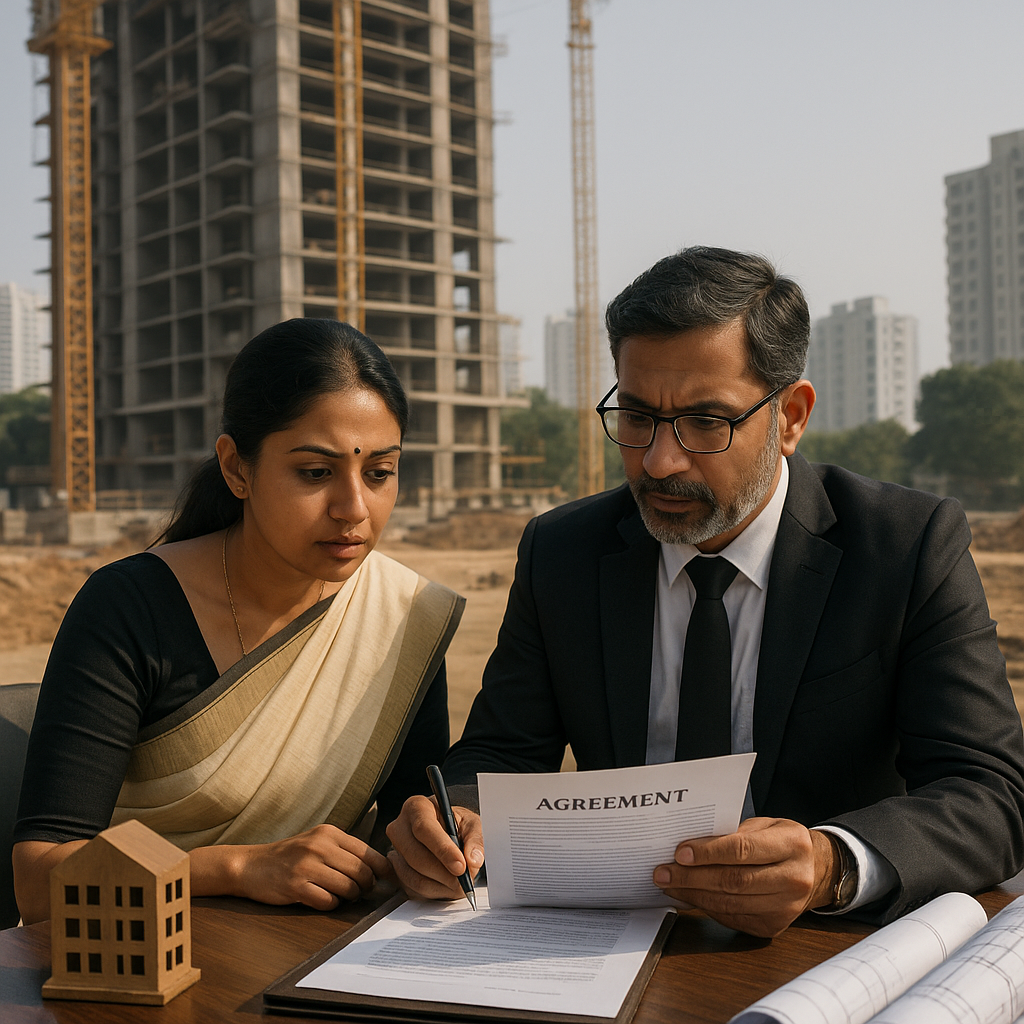

Understanding Property Disputes Chandigarh: An Overview
Property disputes Chandigarh represent a significant portion of real estate conflicts encountered within the region. These disputes arise due to disagreements over ownership, boundaries, possession, or contractual obligations related to immovable property. Given Chandigarh’s unique legal and administrative framework, understanding the nuances of property litigation and legal dispute resolution in this context is essential for residents, investors, and legal practitioners alike.
Conceptual Overview of Property Disputes in Chandigarh
Property disputes typically involve conflicts over the title, possession, or use of land or buildings. In Chandigarh, these disputes may arise from:
- Ownership claims based on inheritance or sale
- Encroachments on property boundaries
- Disagreements over lease or tenancy agreements
- Issues related to property registration and documentation
- Conflicts arising from cooperative housing societies or apartment ownership
Such disputes require careful legal interpretation within the framework of Chandigarh property law, which aligns with both central Indian property laws and specific regional regulations.
Statutory Framework Under Indian Law Governing Property Disputes Chandigarh
Several statutes govern property disputes in Chandigarh, including:
- The Transfer of Property Act, 1882: Governs the transfer of property by sale, mortgage, lease, and gift.
- The Indian Registration Act, 1908: Regulates the registration of documents related to immovable properties.
- The Indian Contract Act, 1872: Applies to agreements and contracts concerning property transactions.
- The Code of Civil Procedure, 1908: Prescribes procedures for civil litigation, including property suits.
- The Indian Succession Act, 1925: Governs inheritance and succession rights over property.
- The Real Estate (Regulation and Development) Act, 2016 (RERA): Provides a regulatory framework for real estate development and transactions.
Additionally, Articles 300A and 31 of the Constitution of India protect property rights and prescribe the conditions under which property may be acquired or requisitioned by the state.
Rights, Duties, and Legal Obligations in Property Disputes Chandigarh
Property owners and stakeholders in Chandigarh have specific rights and obligations, including:
- Right to Possession and Ownership: Legal recognition of ownership and peaceful possession.
- Duty to Maintain Clear Title: Ensuring property documents are accurate and legally valid.
- Obligation to Register Transactions: Compliance with registration laws to validate property transfers.
- Adherence to Local Zoning and Development Regulations: Following Chandigarh’s urban planning norms.
Failure to observe these duties can lead to legal disputes and complicate property litigation.
Procedural Aspects and Legal Mechanisms in Property Litigation
The process of resolving property disputes Chandigarh involves several steps:
- Pre-litigation Negotiations and Mediation: Attempting amicable settlement through dialogue or alternative dispute resolution (ADR).
- Filing Civil Suit: Initiating legal proceedings in the appropriate civil court with jurisdiction over property matters.
- Interim Reliefs: Seeking injunctions or temporary orders to protect property rights during litigation.
- Evidence and Documentation: Submission of title deeds, sale agreements, mutation records, and expert reports.
- Trial and Judgment: Court examination of facts, application of law, and delivery of judgment.
- Appeals and Execution: Options for challenging unfavorable decisions and enforcing decrees.
Legal dispute resolution mechanisms such as arbitration and Lok Adalat may also be employed where appropriate.
Judicial Interpretation and Landmark Case Laws Relevant to Chandigarh Property Law
Several Supreme Court and High Court judgments have shaped the understanding of property disputes in Chandigarh:
- K.K Verma v. Union of India, AIR 1963 SC 1687: Emphasized the importance of registration for property transactions.
- Lachhman Das v. Union of India, AIR 1954 SC 621: Addressed the constitutional protection of property rights.
- M.C. Chockalingam v. Union of India, AIR 1969 SC 179: Clarified the scope of possession versus ownership in property disputes.
- DDA v. Skipper Construction Co. Ltd., (2002) 7 SCC 234: Discussed legal remedies against unauthorized constructions.
These rulings provide authoritative guidance on interpreting property law provisions applicable in Chandigarh.
Practical Implications for Individuals and Businesses in Chandigarh
Understanding property disputes Chandigarh is crucial for:
- Homebuyers and Sellers: Ensuring due diligence in verifying clear titles and authentic documents.
- Real Estate Developers: Compliance with RERA and local regulations to avoid litigation.
- Investors: Assessing risk related to encumbrances and legal challenges.
- Legal Practitioners: Advising clients on litigation strategies and dispute resolution options.
Proper legal counsel and adherence to statutory requirements can mitigate risks associated with real estate conflicts.
Common Misconceptions and Clarifications on Property Disputes Chandigarh
- Misconception: Oral agreements are sufficient for property transactions.
-
Clarification: The Indian Registration Act mandates written and registered documents for valid property transfers.
-
Misconception: Possession equals ownership.
-
Clarification: Possession alone does not confer ownership; legal title is essential.
-
Misconception: Property disputes always require prolonged litigation.
-
Clarification: Alternative dispute resolution methods can provide quicker resolutions.
-
Misconception: Mutation in revenue records confirms ownership.
- Clarification: Mutation is administrative and does not guarantee legal ownership.
Frequently Asked Questions
What are the common causes of property disputes in Chandigarh?
Common causes include unclear titles, boundary disputes, unauthorized constructions, inheritance conflicts, and issues with registration.
How can property litigation be avoided in Chandigarh?
Ensuring clear documentation, registering transactions, conducting title searches, and utilizing mediation can reduce litigation risks.
What role does a property lawyer play in Chandigarh property disputes?
A property lawyer provides legal advice, assists with documentation, represents parties in court, and facilitates dispute resolution.
How long do property disputes Chandigarh typically take to resolve?
Resolution time varies widely depending on complexity, court backlog, and whether alternative dispute mechanisms are used.
Is it necessary to register a property transaction in Chandigarh?
Yes, registration under the Indian Registration Act is mandatory for the validity of property transfers.
Emerging Trends and Legal Developments in Indian Property Disputes
Recent developments impacting property disputes Chandigarh include:
- Increased Adoption of RERA: Greater transparency and accountability in real estate projects.
- Digital Registration Initiatives: Streamlining property registration and reducing fraud.
- Judicial Emphasis on ADR: Courts encouraging mediation and arbitration to decongest litigation.
- Enhanced Consumer Protection: Laws safeguarding buyers against defective titles and fraudulent sales.
These trends aim to modernize property dispute resolution and enhance legal certainty.
Key Legal Takeaways on Property Disputes Chandigarh
Property disputes Chandigarh require careful navigation of statutory provisions, judicial precedents, and procedural norms. Understanding the rights and duties under Chandigarh property law, coupled with adherence to registration and documentation requirements, is critical. Legal dispute resolution mechanisms, including litigation and ADR, offer pathways to resolve conflicts effectively. Staying informed about emerging legal trends and seeking informed property lawyer advice can help individuals and businesses manage real estate conflicts with greater confidence and clarity.
For comprehensive information on property litigation and legal dispute resolution in Chandigarh, consulting authoritative legal resources and qualified professionals is advisable.