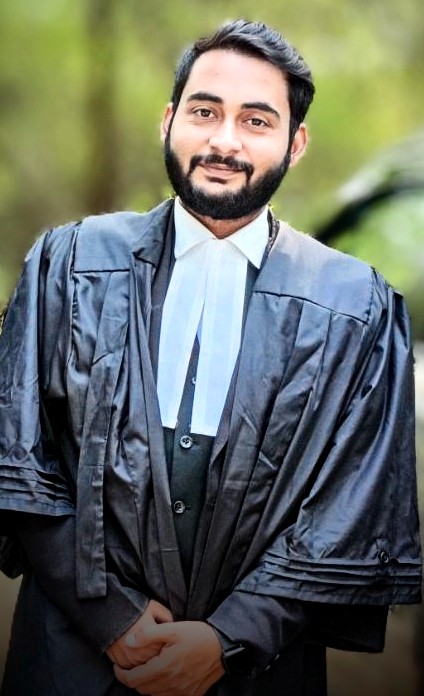


Introduction: Understanding Supreme Court Lawyer Fees in India
The cost and fee structure of Supreme Court lawyers in India is a subject of considerable interest for litigants, businesses, and legal professionals alike. Navigating the complexities of Supreme Court lawyer fees India involves understanding various factors such as the nature of litigation, seniority of advocates, procedural requirements, and applicable statutory norms. This article offers a comprehensive explanation of the SC legal fees structure, including senior advocate charges India, litigation cost SC, and the overall legal expenses India associated with engaging Supreme Court counsel. It aims to provide a clear, authoritative guide aligned with Indian legal standards and ethical considerations, without promotional or solicitation elements.
Conceptual Overview of Supreme Court Lawyer Fees Structure
In India, advocates practicing before the Supreme Court command fees based on multiple parameters. These include:
- The complexity and importance of the matter
- The experience and designation of the advocate (e.g., Senior Advocate or Junior Advocate)
- The stage of litigation (preliminary hearings, arguments, drafting petitions, etc.)
- Additional costs such as court fees, documentation, and research expenses
A nuanced understanding of the advocate fee breakdown helps litigants anticipate costs and make informed decisions. Unlike fixed government fees, private advocate fees vary widely but are generally influenced by customary practices and professional guidelines.
Statutory Framework Under Indian Law Governing Advocate Fees
The fee structure of Supreme Court lawyers is primarily governed by:
- Advocates Act, 1961 (Section 33 to 36): Regulates the legal profession, fee arrangements, and professional ethics.
- Bar Council of India Rules (Part VI, Chapter II): Provides standards on professional conduct including fee determinations and avoidance of solicitation.
- Constitution of India, Article 145(3): Empowers the Supreme Court to make rules regulating its practice and procedure.
- Supreme Court Rules, 2013 (Order IV, Rule 1): Specifies the fees payable for various court services but does not fix advocate fees.
- Landmark judgments such as Bar Council of India vs. AK Balaji (2011) (Supreme Court), which emphasize ethical fee arrangements and non-solicitation.
It is essential to note that the Supreme Court does not fix advocate fees; rather, these are determined by mutual agreement between the advocate and client, subject to professional ethics under the Advocates Act and Bar Council Rules.
Rights, Duties, and Legal Obligations Related to Advocate Fees
Advocates engaged before the Supreme Court have the right to charge reasonable fees commensurate with their expertise and the work involved. Concurrently, they are bound by the following legal obligations:
- Charging fees that are fair and not exorbitant, as per Bar Council of India guidelines.
- Avoiding any form of solicitation or advertisement for fees, conforming to Section 36 of the Advocates Act.
- Providing clear communication regarding fee structure and obtaining informed consent from clients.
- Ensuring transparency regarding additional litigation costs such as court fees, process fees, and incidental expenses.
- Maintaining confidentiality and professional integrity throughout the engagement.
Clients have the right to seek a detailed advocate fee breakdown and to clarify any doubts related to legal expenses India.
Procedural Aspects and Legal Mechanisms Affecting Litigation Cost in the Supreme Court
The process of engaging a Supreme Court lawyer and the consequent litigation cost SC involves:
- Initial Consultation and Case Assessment: Typically, an advocate may charge a consultation fee which varies depending on the advocate’s standing.
- Drafting and Filing Petitions: Preparation of Special Leave Petitions (SLPs), Review Petitions, or other writs involves drafting fees.
- Court Appearances and Hearings: Fees for appearances before the bench during different stages of the case.
- Research and Documentation: Ancillary costs related to legal research, obtaining certified copies, and compiling case records.
- Miscellaneous Expenses: Travel, accommodation, and administrative expenses if the advocate is from outside the litigant’s city.
The SC legal fees structure is often a combination of retainer fees, appearance fees, and success fees, though success fees must be handled with caution to avoid ethical violations.
Judicial Interpretation and Landmark Case Laws on Advocate Fees
Several judicial pronouncements have shaped the understanding of advocate fees in India, particularly before the Supreme Court:
- Bar Council of India vs. AK Balaji (2011): The Supreme Court ruled against the advertising and solicitation of legal services, emphasizing ethical fee practices.
- M.C. Chockalingam vs. Bar Council of Tamil Nadu (2012): Affirmed that charging exorbitant fees without justification is unethical.
- K.K. Verma vs. Union of India (1987): Highlighted the right of advocates to be reasonably compensated for their services.
- State of Maharashtra vs. Dr. Praful B. Desai (2003): Discussed the fiduciary nature of the advocate-client relationship, impacting fee transparency.
These cases reinforce the principle that while advocates have the right to charge fees, such charges must be reasonable, transparent, and in compliance with professional conduct rules.
Practical Implications for Individuals and Businesses
For litigants approaching the Supreme Court, understanding the legal expenses India and the senior advocate charges India is crucial for budgeting and case strategy:
- Individuals should seek clarity on fee components to prevent unexpected expenses and ensure access to justice.
- Businesses and Corporates typically engage senior advocates or legal firms with structured fee agreements to manage high-stakes litigation costs.
- Fee negotiations are common but must respect legal ethics and avoid fixed or arbitrary charges.
- Retainer agreements and detailed advocate fee breakdowns help in maintaining transparency and avoiding disputes over fees.
Engaging Supreme Court lawyers requires careful consideration of both the legal merits of the case and the associated litigation cost SC.
Common Misconceptions and Clarifications Regarding Supreme Court Lawyer Fees
Several misconceptions persist around the fees of Supreme Court advocates:
-
Myth: Senior advocates charge exorbitantly without justification.
Clarification: Senior advocates command higher fees due to their expertise and experience; however, these fees must be reasonable and justified. -
Myth: All advocate fees are fixed by the Supreme Court.
Clarification: The Supreme Court does not fix advocate fees; fees are negotiated and agreed upon between the client and advocate. -
Myth: Success fees or contingency fees are standard in Supreme Court litigation.
Clarification: Success fees are not commonly sanctioned and may contravene ethical norms under the Advocates Act. -
Myth: Legal expenses include only advocate fees.
Clarification: Legal expenses also include court fees, documentation, travel, and other incidental costs. -
Myth: Soliciting clients through fee advertisement is permitted.
Clarification: Solicitation or advertisement for legal fees is prohibited under Bar Council rules and Supreme Court judgments.
Frequently Asked Questions on Supreme Court Lawyer Fees India
What factors influence the Supreme Court lawyer fees in India?
Fees depend on the advocate’s seniority, case complexity, litigation stage, time investment, and additional costs like court fees.
How are senior advocate charges in India determined?
Senior advocates charge premium fees reflecting their expertise and reputation, but these must comply with ethical standards, avoiding exorbitance.
Are advocate fees fixed by the Supreme Court?
No. Advocate fees are mutually agreed upon and not fixed by the Supreme Court or any statutory authority.
What constitutes the litigation cost in the Supreme Court?
It includes advocate fees, court fees, documentation, travel expenses, and other incidental charges necessary for case management.
Can advocates charge success fees in Supreme Court cases?
Success fees are generally discouraged and may violate the Advocates Act and Bar Council norms.
Is there a standard fee structure available for Supreme Court lawyers?
No uniform fee structure exists; fees vary widely but should be transparent and reasonable.
How can clients ensure transparency in legal expenses?
Requesting a detailed advocate fee breakdown and written fee agreements helps ensure clarity.
Emerging Trends and Legal Developments in Supreme Court Lawyer Fees in India
Recent trends and legal developments impacting the SC legal fees structure include:
- Increased Transparency: Growing emphasis on written fee agreements and detailed billing to enhance client trust.
- Digitalization: Use of e-filing and virtual hearings has reduced some logistical costs but prompted new fee considerations.
- Regulatory Scrutiny: The Bar Council of India continues to review and refine ethical guidelines on fee structures and solicitation.
- Alternative Fee Arrangements: Limited adoption of fixed fees or hybrid models in complex corporate litigation, subject to adherence to ethical rules.
- Judicial Commentary: Courts increasingly discourage exorbitant fees and promote access to justice, balancing advocate remuneration with affordability.
These shifts aim to harmonize fair compensation for Supreme Court lawyers with broader access to legal remedies.
The detailed exploration of Supreme Court lawyer fees India, including the senior advocate charges India, litigation cost SC, and the advocate fee breakdown, provides a clear framework for understanding the financial aspects of Supreme Court litigation. By aligning with statutory provisions, judicial precedents, and ethical norms, litigants and legal professionals can navigate fee structures judiciously, ensuring transparency and compliance with Indian legal standards.
For further insights into Indian legal procedures and updates on advocate fee regulations, refer to authoritative resources available at Sheokand Legal.