

nris defend civil cases india travel: Introduction
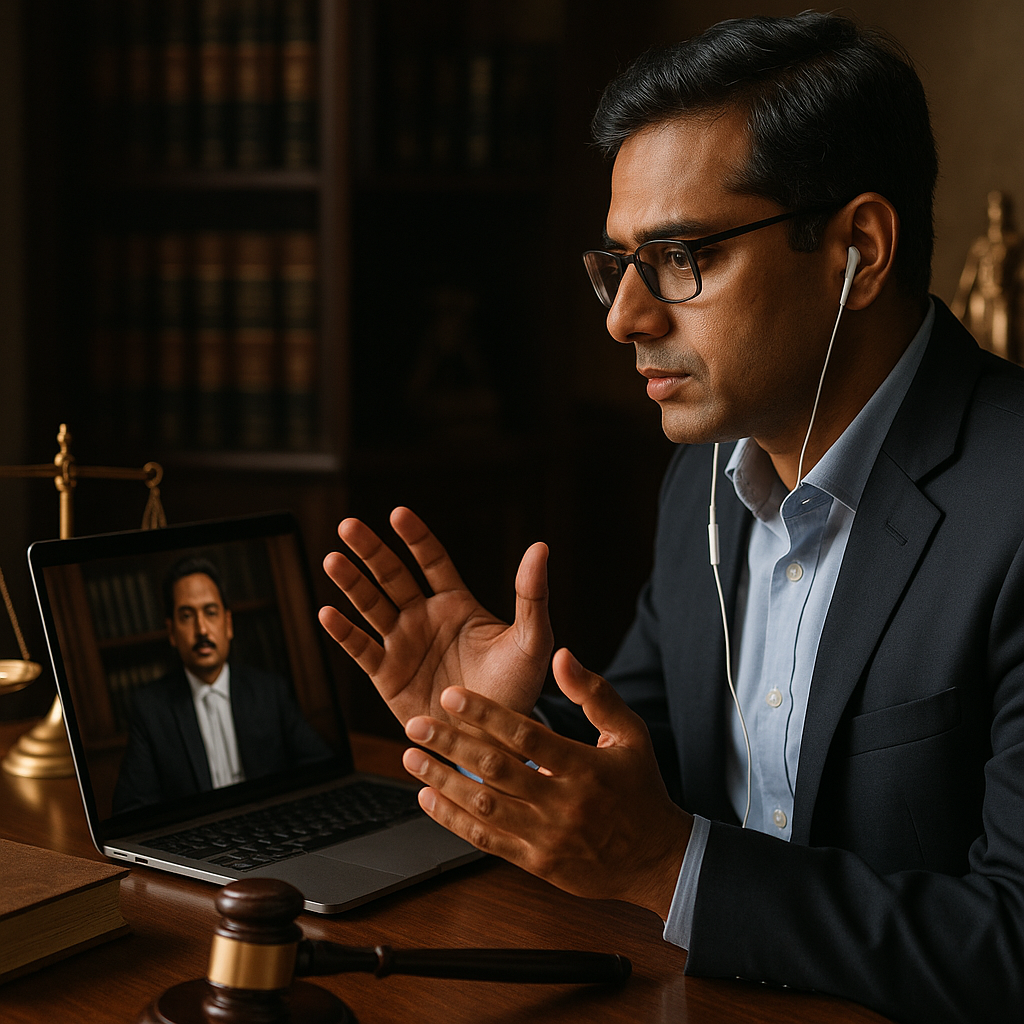
Non-Resident Indians (NRIs) often face the challenge of managing civil litigation in India without physically being present. Given the global mobility of NRIs and the complexities of Indian civil law, understanding how to defend civil cases remotely is crucial. This article explores the legal frameworks, procedural mechanisms, and practical considerations enabling NRIs to defend civil cases in India without travel.
Understanding the Concept of Civil Defence for NRIs in India
Civil cases in India typically involve disputes related to property, contracts, family matters, and torts. For NRIs, defending such cases remotely requires a clear grasp of the legal system and the options available under Indian law. The ability to appoint legal representatives, utilize technology for hearings, and comply with procedural mandates forms the foundation of effective civil defence from abroad.
Statutory Framework Under Indian Law for NRIs Defending Civil Cases Remotely
Relevant Constitutional Provisions
- Article 21: Guarantees the right to life and personal liberty, which courts interpret as the right to a fair trial.
- Article 14: Ensures equality before the law, applicable to NRIs as well.
Key Central Acts and Rules
- Code of Civil Procedure, 1908 (CPC): Governs civil litigation procedures.
- Advocates Act, 1961: Regulates legal representation.
- Information Technology Act, 2000: Provides legal recognition to electronic records and digital signatures, facilitating remote proceedings.
- Courts and Legal Services Authorities (Amendment) Act, 2010: Promotes e-courts and virtual hearings.
Relevant Rules and Notifications
- Supreme Court and various High Courts have adopted e-filing and virtual hearing protocols, especially post-pandemic, allowing remote participation.
Rights, Duties, and Legal Obligations of NRIs in Civil Litigation
Rights
- Right to legal representation through an advocate or power of attorney holder.
- Right to be heard via virtual court proceedings.
- Right to access case documents electronically.
Duties
- Timely communication with legal representatives.
- Compliance with court orders and procedural timelines.
- Disclosure of accurate information and documents through authorized channels.
Legal Obligations
- Appointment of an authorized representative in India via a valid Power of Attorney (PoA).
- Ensuring that the PoA complies with Indian legal requirements and is duly notarized and apostilled if executed abroad.
Procedural Aspects and Legal Mechanisms for Remote Civil Defence
Power of Attorney (PoA)
- Essential for NRIs to empower a trusted advocate or individual to act on their behalf.
- Can be general or specific to a particular case.
E-filing and Digital Documentation
- Most Indian courts now accept e-filing of pleadings, documents, and applications.
- NRIs can instruct their advocates to file documents electronically.
Virtual Hearings
- Courts conduct hearings via video conferencing platforms.
- NRIs can participate without physical presence, subject to court permissions.
Communication and Coordination
- Regular updates through email, phone, and video calls with legal counsel.
- Secure sharing of sensitive documents using encrypted platforms.
Judicial Interpretation and Landmark Judgments Supporting Remote Defence
- Supreme Court in Suo Motu Writ Petition (Civil) No. 3 of 2020: Recognized virtual hearings as a valid mode of court proceedings.
- High Court rulings across various jurisdictions: Affirmed the validity of PoA and e-filing for NRIs.
These rulings reinforce the legitimacy of remote defence mechanisms under Indian law.
Practical Implications for NRIs and Businesses
- Enables continuous defence of civil cases without costly and time-consuming travel.
- Encourages timely legal compliance and reduces the risk of default judgments.
- Facilitates smoother dispute resolution and safeguards property and contractual rights.
Common Misconceptions and Clarifications
| Misconception | Clarification |
|---|---|
| NRIs must be physically present for all court hearings. | Virtual hearings are legally valid; physical presence is not mandatory in most cases. |
| Power of Attorney is insufficient for legal defence. | A valid PoA is legally recognized for representing NRIs in civil matters. |
| E-filing is complicated and inaccessible for NRIs. | Courts provide user-friendly e-filing systems; advocates assist in submissions. |
Frequently Asked Questions
Q1: Can NRIs defend civil cases in India without traveling?
Yes, through power of attorney, e-filing, and virtual hearings, NRIs can defend civil cases remotely.
Q2: Is a power of attorney mandatory for NRIs in civil cases?
While not mandatory, a PoA is highly recommended to authorize legal representatives to act on your behalf.
Q3: Are virtual court hearings legally binding?
Yes, as per Supreme Court and High Court rulings, virtual hearings hold the same legal weight as physical hearings.
Q4: How can NRIs file documents remotely?
Documents can be e-filed through court portals by advocates or authorized agents.
Q5: What precautions should NRIs take when appointing a power of attorney?
Ensure the PoA is duly notarized, apostilled, and specific about the powers granted.
Emerging Trends and Legal Developments in India for NRI Civil Defence
- Increasing adoption of Artificial Intelligence (AI) in court case management.
- Expansion of e-courts and digital infrastructure enhancing accessibility.
- Legislative proposals aiming to simplify cross-border legal interactions.
- Growing jurisprudence strengthening remote participation rights.
These trends promise more streamlined and accessible civil litigation processes for NRIs.
Key Legal Takeaways
NRIs can effectively defend civil cases in India without travel by leveraging legal provisions like power of attorney, e-filing, and virtual hearings. Indian courts uphold the rights of NRIs to fair and equitable trial processes remotely, supported by constitutional guarantees and statutory frameworks. Staying informed about procedural requirements and judicial developments is essential for successful remote defence in civil litigation.
For comprehensive guidance, NRIs should collaborate with qualified legal professionals familiar with Indian civil law and remote litigation protocols.
This article provides an informational overview of legal frameworks applicable to NRIs defending civil cases remotely in India and does not constitute legal advice.