
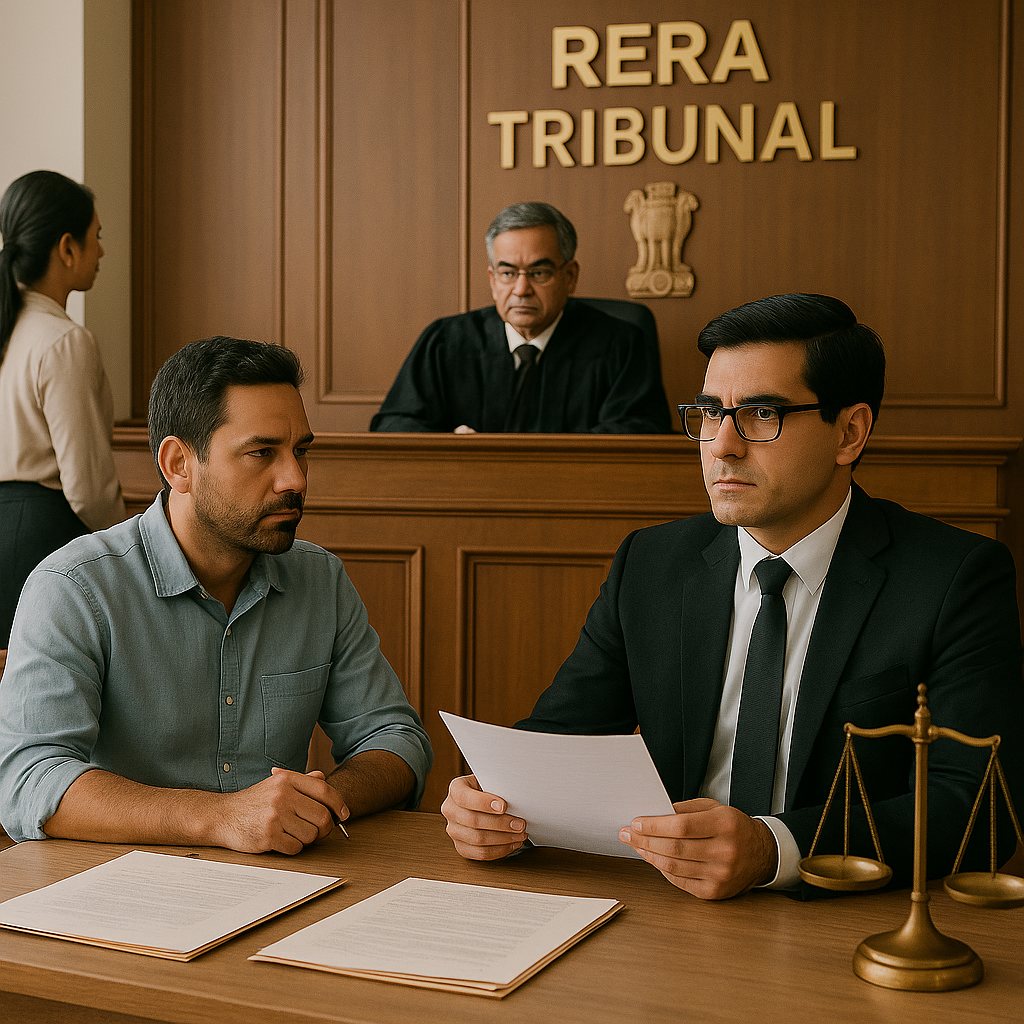

People come to the RERA tribunal in Chandigarh when months or even years of waiting for their home have pushed them to the edge. I’ve sat with clients clutching receipts, WhatsApp chats with builders, and hope that the system will finally listen. If you’re considering going to the RERA tribunal Chandigarh, or already preparing for your first hearing, you probably have one main question: what actually happens inside, and what can you do to make sure your side is heard and acted upon?
If you want the short version: The RERA tribunal Chandigarh is a specialized court for real estate grievances, especially delays and builder violations. The process is formal but accessible, with a clear hearing procedure, strict requirements for evidence submission, and a focus on quick resolution. Success depends on early preparation, understanding what judges expect, and avoiding common mistakes – like missing deadlines or submitting weak documents. Legal representation is not mandatory but often makes a real difference.
What Really Happens Inside the RERA Tribunal in Chandigarh
Why People Approach the RERA Tribunal Chandigarh
Most people who walk into the RERA tribunal are at their wit’s end. Delayed flats, false promises, hidden charges, or incomplete amenities are common complaints. The stakes aren’t just financial – there’s real emotional stress. The Real Estate (Regulation and Development) Act, 2016, was supposed to fix this. Chandigarh’s RERA Authority and Appellate Tribunal were set up so buyers and builders could resolve disputes without endless civil court delays.
- Delayed possession is the complaint I see most often. Sometimes buyers have waited three years beyond the promised date.
- Non-refund of booking amounts comes up regularly, especially when projects stall.
- Defective construction (leakage, cracks, missing facilities) is also frequent, though trickier to prove.
The tribunal isn’t just for buyers. Builders, too, sometimes approach it – usually for payment disputes. But the overwhelming majority are homebuyers fighting for possession, refund, or compensation. If you’re wondering whether the tribunal is worth your time, I’d say most clients wish they’d started sooner.
How the RERA Tribunal Chandigarh Works: Step-by-Step Case Hearing Procedure
The process is less intimidating than a regular courtroom, but it’s still formal. Here’s how a typical case moves through the system:
1. Filing the Complaint
You’ll need to file your complaint with the RERA Authority first (in Chandigarh, this is usually online at the official portal). If you’re unhappy with the order, you can appeal to the Appellate Tribunal. Documents needed include:
- Proof of booking (allotment letter, payment receipts)
- Builder-buyer agreement
- Correspondence with the builder (emails, letters, WhatsApp chats)
- Any prior complaint orders
2. Notice and First Hearing
Once admitted, the tribunal issues a notice to the respondent (usually the builder). The first hearing is often procedural:
- Both sides confirm their appearance.
- The tribunal checks if documents are complete.
- Sometimes, it tries to mediate a quick settlement – honestly, this rarely works unless the builder already wants to pay up.
3. Evidence Submission and Argument
The real work starts here. Both sides submit written arguments and supporting evidence. The tribunal is strict: missing documents or late submissions can get your evidence ignored.
- All evidence must be paginated and indexed.
- Photographs, video evidence, and site inspection reports are allowed if relevant.
- Affidavits are common. Witnesses aren’t always needed, but can help in complex or contested matters.
4. Witness Handling
If witness testimony is needed, the tribunal will fix a date. Witnesses are expected to:
- Affirm their statements (oath is administered)
- Answer cross-questions very specifically
- Stick to facts, not opinions or emotions
Most cases don’t need outside witnesses, but buyers themselves sometimes testify to highlight harassment or misrepresentation.
5. Final Arguments and Judgment
Both sides get a last chance to argue their case. The tribunal then reserves judgment, usually delivering a written order within 30 – 60 days. Orders can include:
- Refunds with interest
- Compensation for delay
- Directions to complete construction
- Penalties on the builder
Legal Representation: Is It Needed and What Difference Does It Make?
You’re not required to hire a lawyer for the RERA tribunal Chandigarh. But, from what I’ve seen, having someone who knows the process and pitfalls can be the difference between a win and a messy dismissal.
When Legal Representation Is Essential
- Large sums at stake: If your flat costs more than ₹50 lakh, it’s risky to go alone.
- Builder has a legal team: Most reputed builders come with experienced lawyers.
- Complex issues: Defective construction, compensation for mental agony, or claims for loss of rent need careful legal argument.
What a Good Lawyer Actually Does
- Prepares your evidence in a way the tribunal expects.
- Anticipates and counters the builder’s objections (they are almost always creative).
- Ensures no technical mistake – like a missed deadline or incomplete affidavit – derails your case.
If you want to see how legal representation shapes outcomes, this article on RERA Advocacy in Chandigarh covers some real case examples.
Evidence Submission: What Works and What Often Fails
I’ve seen buyers lose winnable cases just because their paperwork was missing a single receipt or WhatsApp screenshot. Evidence is the backbone of your case.
Types of Evidence That Work Best
- Allotment letter and payment receipts: These are non-negotiable.
- Builder-buyer agreement: Tribunal often asks for specific clauses.
- Correspondence with builder: Emails, letters, WhatsApp chats – these show follow-ups and builder’s responses.
- Site photographs or inspection reports: Useful for construction delay or quality issues.
Common Evidence Mistakes
- Submitting only bank statements (without receipts or letters)
- Relying on oral promises (“Builder said he’d finish by Holi 2021”)
- Forgetting to paginate or index documents (tribunal sometimes refuses to look at unsorted bundles)
Tips for Bulletproof Evidence Submission
- Make a simple index. Number every page.
- Highlight key dates, especially in WhatsApp or email threads.
- Attach only relevant documents – dumping 200 pages of irrelevant papers frustrates everyone.
Witness Handling: When, Why, and How to Prepare
Most RERA cases in Chandigarh don’t require outside witnesses. But sometimes, a case turns on the credibility of a buyer or a technical expert (like a civil engineer).
When Witnesses Help
- Allegations of fraud or misrepresentation: First-hand accounts matter.
- Technical disputes: Engineer or architect can explain construction defects.
- Mental harassment or hardship: Buyer’s own testimony can be powerful, but it must be factual.
How to Prepare a Witness
- Go through the affidavit line by line. Tribunal hates surprises.
- Practice answering questions directly, without long explanations.
- Bring all original documents referenced in the affidavit to the hearing.
I’ll be honest: rehearsed, over-coached witnesses often backfire. Judges spot it a mile away.
Common Tribunal Errors and How to Avoid Them
Even well-prepared buyers sometimes get tripped up by avoidable mistakes. Here are the errors I see most often:
- Missing limitation period: You must file your complaint within the time allowed, usually three years from the cause of action.
- Incomplete documentation: Missing the builder-buyer agreement or key receipts.
- Vague relief sought: Not specifying exactly what you want (refund, possession, compensation, etc.)
- Improper service of notice: Not ensuring the builder receives official notice.
- Late evidence submission: Tribunal is strict – late evidence is rarely accepted.
The best way to avoid these? Prepare a checklist before filing. Double check every document and date.
Hearing Preparation: How to Get Ready for the RERA Tribunal Chandigarh
Don’t wait till the last day to organize your file. Tribunal hearings are brisk – sometimes just 10 – 15 minutes. Here’s how you can prepare:
- Create a simple index of all documents.
- Highlight key dates and facts in your pleadings (use a yellow marker, not a highlighter that bleeds through).
- Prepare a short note of arguments. Two pages is enough.
- Arrange for all originals. Tribunal may ask to see them.
- Check your appearance date, time, and location. Hearings are sometimes shifted last minute.
If you’re self-representing, rehearse your main points. If you have a lawyer, insist on a pre-hearing review so there are no surprises.
Judge Expectations: What the Tribunal Looks For
RERA tribunal members in Chandigarh are usually senior judicial officers or retired judges. They expect:
- Clarity and brevity: Don’t ramble or repeat yourself.
- Well-organized evidence: Indexed, paginated, and relevant.
- Polite conduct: Aggressive or emotional outbursts hurt your case.
- Factual focus: Tribunal is not interested in general builder-bashing – stick to your facts.
Judges dislike last-minute adjournment requests or attempts to introduce new evidence on hearing day. If you need extra time, request it in advance with a written application.
Client Advocacy: Making Your Case Heard Without Drama
Your story matters, but how you present it matters more. I’ve seen buyers win cases just by staying calm and sticking to their facts. Here’s what helps:
- Be specific about your loss. Don’t just say “mental agony” – explain how delays affected your job, school admissions, or health.
- Don’t exaggerate. If you claim ₹50 lakh compensation for a ₹40 lakh flat, tribunal will dismiss it as unreasonable.
- Follow up. After every hearing, ask for an updated order sheet and check the next date.
If you want to learn more about how lawyers advocate for clients in RERA matters, this article on tackling delayed projects shares useful insights.
Tribunal Success Tips: What Actually Works in Chandigarh
Over the years, a few practical strategies have stood out for RERA cases in Chandigarh:
- Submit everything in writing. Verbal promises or last-minute oral arguments rarely work.
- Arrive early on hearing day. Cases are sometimes called out of turn.
- Respect the tribunal’s time. Keep your submissions short and to the point.
- Always check the official website for cause lists and updates.
- Don’t miss deadlines. Even a one-day delay can cost you your relief.
If you’re new to this process, reading about why buyers overlook RERA registration can give you an edge in avoiding common traps.
Key Differences: RERA Tribunal vs. Civil Court
Many clients ask if they should go to civil court or the RERA tribunal Chandigarh. Here’s how the two compare:
| Feature | RERA Tribunal Chandigarh | Civil Court |
|---|---|---|
| Specialization | Real estate only | All civil matters |
| Process speed | 6 – 12 months typical | 2 – 5 years typical |
| Legal representation | Optional | Usually required |
| Technical expertise | High (real estate focus) | Generalist |
| Costs | Lower | Higher |
| Appeals | To High Court | Multiple levels |
For most real estate disputes, the tribunal is faster and more focused. But it cannot grant all types of relief (like criminal penalties or specific performance beyond what RERA allows).
Understanding Orders, Appeals, and Enforcement
Winning an order is only half the job. Getting it enforced is another battle. Here’s what you need to know:
- Orders are binding: Builders must comply or face penalties.
- Appeals: Either party can appeal to the Punjab and Haryana High Court within 60 days.
- Enforcement: If builder does not comply, file an execution petition. Tribunal can attach bank accounts, seize property, or even issue arrest warrants in rare cases.
Practical tip: Keep all communication with the builder polite and on record after the order. Many builders comply only when enforcement starts.
Frequently Asked Questions
What is the RERA tribunal Chandigarh and who can approach it?
The RERA tribunal Chandigarh is a specialized forum for resolving disputes related to real estate projects under the Real Estate (Regulation and Development) Act, 2016. Homebuyers, builders, and real estate agents can approach the tribunal for issues like delayed possession, refund claims, or quality defects.
How long does a typical RERA case take in Chandigarh?
Most RERA cases in Chandigarh are resolved within 6 to 12 months from the date of filing. However, complex cases or those involving multiple parties may take longer, especially if appeals are filed.
What documents are required for filing a RERA complaint?
Essential documents include the allotment letter, builder-buyer agreement, payment receipts, correspondence with the builder, and any previous orders or legal notices. Submitting a well-organized and indexed set increases your chances of a smooth hearing.
Can I represent myself at the RERA tribunal Chandigarh?
Yes, parties can appear in person without a lawyer at the RERA tribunal. However, legal representation is recommended for cases involving large sums, complex legal issues, or when the builder has a legal team.
What is the procedure for evidence submission in RERA cases?
Evidence must be submitted in paginated, indexed form along with an affidavit. The tribunal accepts documentary evidence, photographs, inspection reports, and witness affidavits. Late or unorganized evidence may be rejected.
What relief can the tribunal grant to homebuyers?
The tribunal can order refunds with interest, compensation for delays, directions for possession, or penalties on the builder. The exact relief depends on the facts and evidence of each case.
What are common mistakes that lead to dismissal of RERA complaints?
Common mistakes include missing the filing limitation period, incomplete documentation, vague requests for relief, and late evidence submission. Checking all requirements before filing helps avoid these errors.
How do I enforce a RERA tribunal order if the builder does not comply?
If the builder fails to comply, you can file an execution petition with the tribunal. The tribunal has powers to attach assets, freeze bank accounts, or issue warrants for enforcement.
How is the RERA tribunal different from consumer court or civil court?
The RERA tribunal specializes in real estate matters, offers faster resolution, and requires less procedural formality compared to civil courts. Consumer courts handle a broader range of consumer disputes but may have overlapping jurisdiction.
Can I appeal a RERA tribunal order and what is the timeline?
Yes, you can appeal a tribunal order to the Punjab and Haryana High Court within 60 days of the order. The appeal must be based on legal grounds such as error in law or procedure.
Are there any fees for filing a case at the RERA tribunal Chandigarh?
Filing fees vary based on the type and value of the claim but are generally lower than civil court fees. The current fee structure is available on the official RERA Chandigarh website.
Do I need to appear in person for every hearing at the tribunal?
Personal appearance is required for some key hearings, but your lawyer can appear on your behalf for procedural dates. Always check the cause list and seek exemption if you are unable to attend.
Conclusion
Representing clients at the RERA tribunal Chandigarh has taught me that preparation, clarity, and practical understanding of the rules matter far more than dramatic legal arguments. The process is designed to be accessible, but demands precision – especially in evidence and deadlines. Whether you’re a buyer or builder, taking the tribunal seriously from day one is your best chance for a fair, timely outcome.