
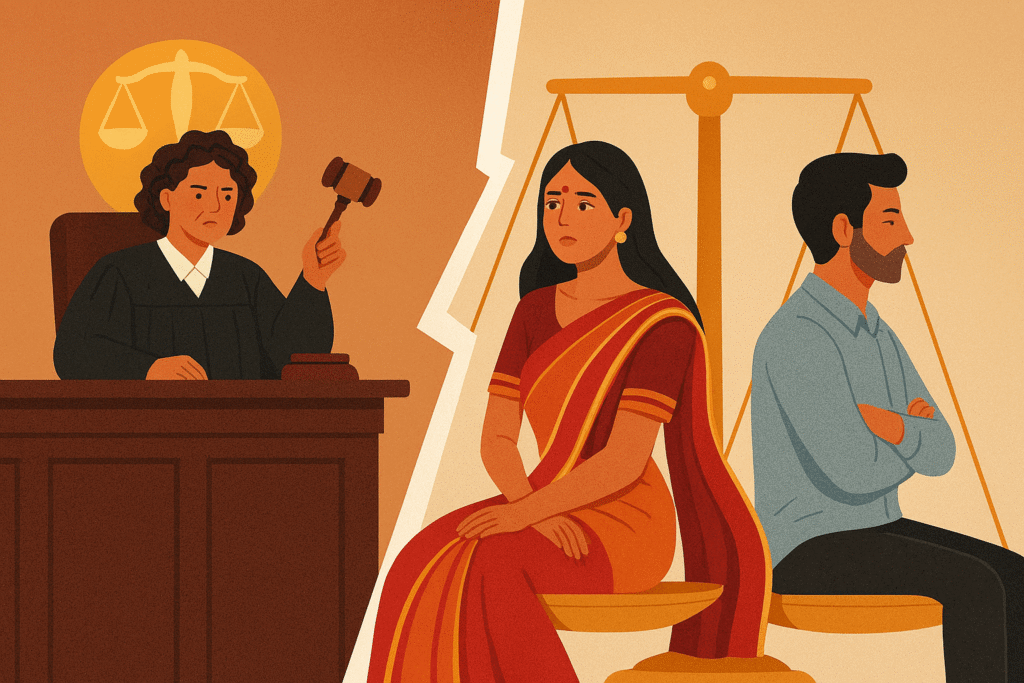
Indian Women’s Rights in Canada-India Divorce Cases
Divorce involving Indian women residing in Canada presents a complex intersection of legal systems, personal laws, and international jurisdiction. Understanding the rights and processes in […]
Divorce involving Indian women residing in Canada presents a complex intersection of legal systems, personal laws, and international jurisdiction. Understanding the rights and processes in […]
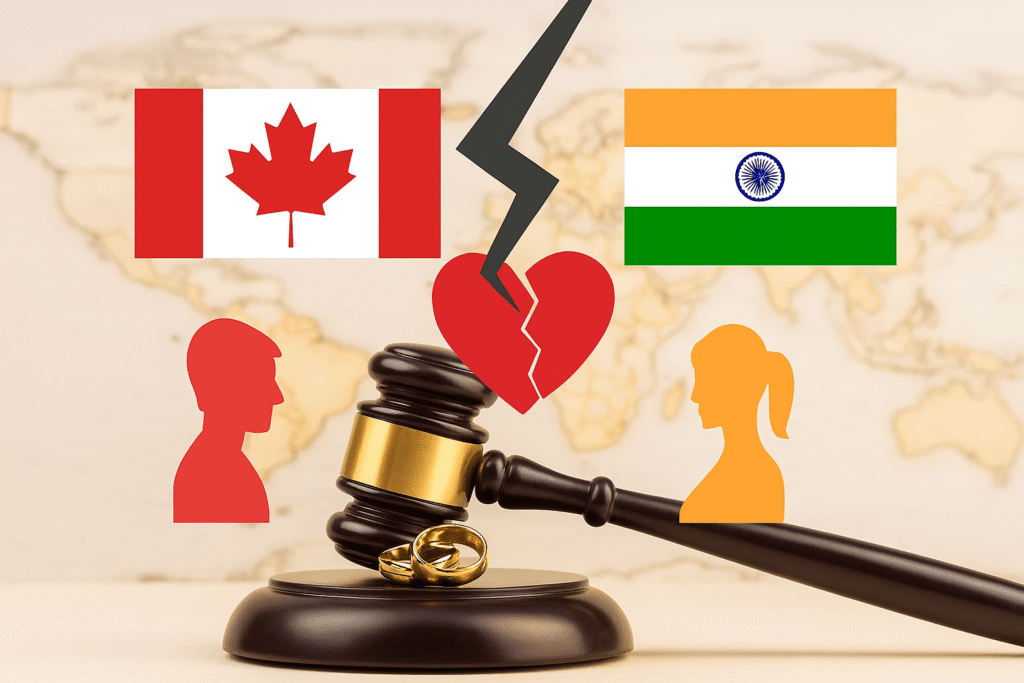
Divorce across international borders adds many layers of complexity when it comes to dividing assets. For couples with ties to both Canada and India, the
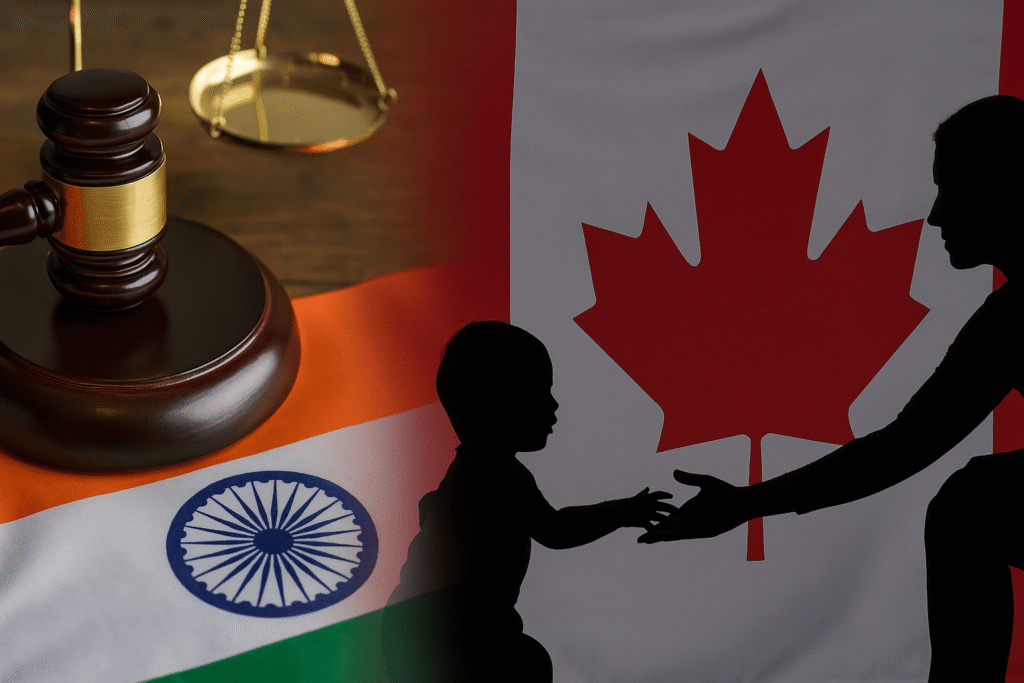
When Indian-origin parents live abroad—such as in Canada—and face disputes over their child’s custody, complex legal questions arise. Which court has jurisdiction? Which Indian law
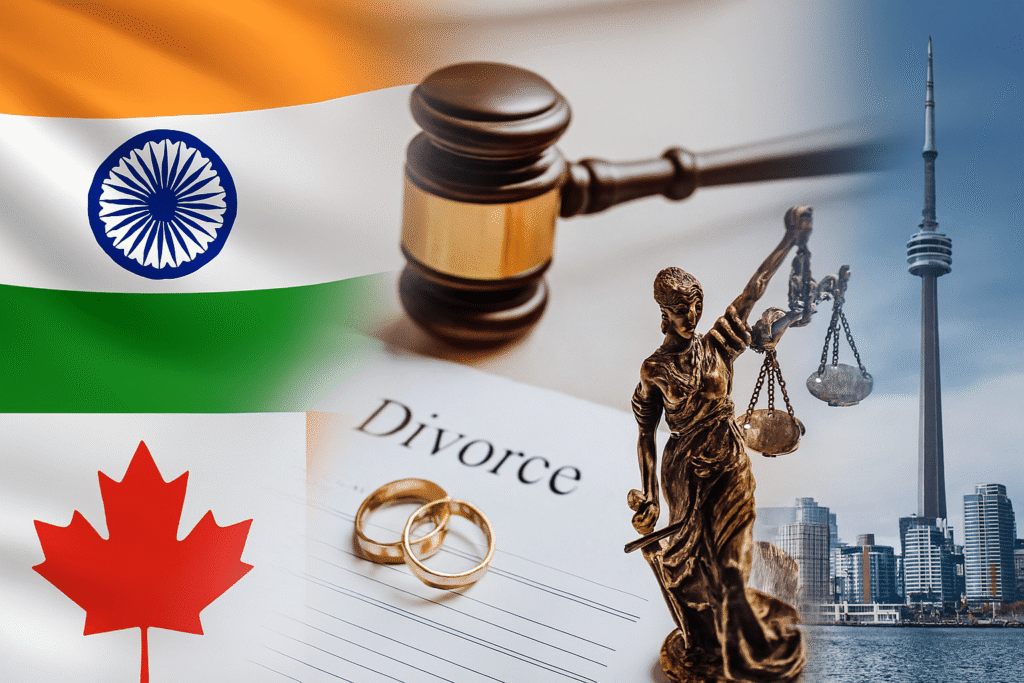
Divorce is always emotionally and legally complex. When one spouse lives abroad—say, in Canada—and wants to file for a mutual consent divorce under Indian law,
Many Indians residing abroad—in countries such as Canada—seek to dissolve their marriages overseas. But a central question arises when one or both spouses return or

Many Indians live abroad—especially in countries like Canada—and yet retain property, legal disputes, or financial interests back home in India. In such cases, a Power
Partition of property is a common legal issue among families in India, especially where real estate or ancestral property is shared among multiple heirs. For
For many Non-Resident Indians (NRIs), property in India is both a valuable investment and a family inheritance. When it comes to selling or transferring property

For many Non-Resident Indians (NRIs) in Canada, property in India represents both a valuable investment and a family legacy. However, the need to monitor Indian
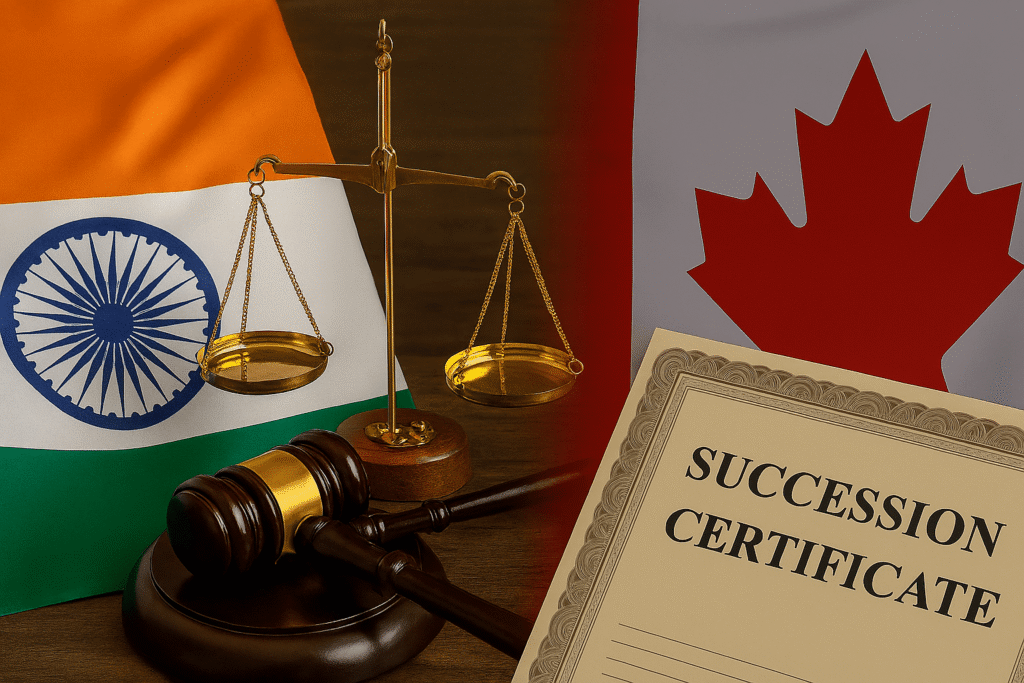
Inheritance laws in India often appear complex, especially for Non-Resident Indians (NRIs) in Canada dealing with ancestral property or financial assets back home. Two key