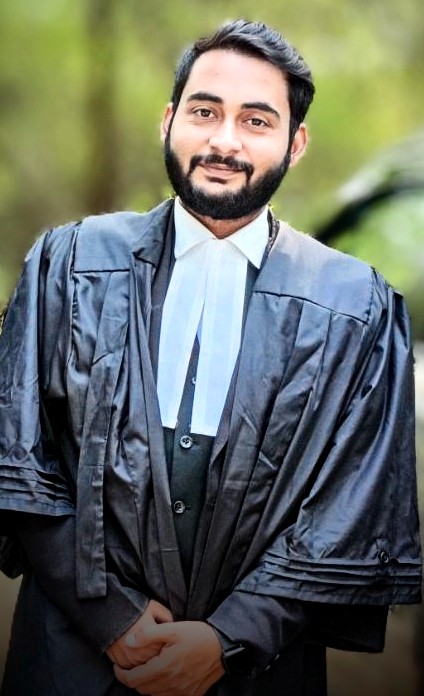


The process of appealing to the Supreme Court of India from the High Courts of Punjab and Haryana constitutes a critical phase in the Indian judicial system. Supreme Court lawyers for Haryana Punjab appeals play a pivotal role in navigating the complex appellate procedures, ensuring adherence to constitutional mandates, and providing precise legal representation before the apex court. Understanding the dynamics of SC appeal lawyers India involves not only a grasp of substantive law but also procedural rigour, strategic litigation support, and appellate advocacy India expertise.
This article explores the essential functions, statutory framework, and judicial interpretations relevant to Supreme Court litigation support in the context of appeals originating from Punjab Haryana HC appeals. It aims to provide an authoritative, reader-friendly resource for individuals and entities seeking clarity on the appellate process, the role of legal counsel, and emerging trends in Indian appellate jurisprudence.
Conceptual Overview of Appeals from Punjab and Haryana High Courts
Understanding Appeals in Indian Judiciary
In the Indian legal system, appeals serve as a mechanism to seek review and correction of judicial decisions by higher courts. The Constitution of India, under Article 132 to Article 136, provides the Supreme Court with appellate jurisdiction in civil and criminal matters involving substantial questions of law. Punjab and Haryana High Courts, established under the Punjab Reorganisation Act, 1966, have original and appellate jurisdiction within their territorial limits, but their decisions can be challenged before the Supreme Court.
Importance of Supreme Court Lawyers for Haryana Punjab Appeals
Supreme Court lawyers specializing in Haryana and Punjab appeals undertake the responsibility of presenting cases that have already undergone scrutiny in the respective High Courts. Their role extends to:
- Analyzing complex legal issues warranting Supreme Court intervention.
- Preparing comprehensive petitions for special leave to appeal (under Article 136).
- Drafting and arguing appeals on points of law, procedural irregularities, or constitutional violations.
- Providing Supreme Court litigation support including case law research, precedent analysis, and procedural compliance.
Statutory Framework Under Indian Law Governing Appeals
Constitutional Provisions
- Article 132: Provides the Supreme Court jurisdiction over civil appeals involving substantial questions of law.
- Article 133: Covers criminal appeals.
- Article 134: Addresses appeals in criminal matters from High Courts.
- Article 136: Empowers the Supreme Court to grant special leave to appeal against any judgment or order from any court or tribunal.
- Article 141: Declares the binding nature of Supreme Court decisions on all courts within India.
Relevant Central Acts and Rules
- The Code of Civil Procedure, 1908 (CPC): Regulates procedural aspects for civil appeals.
- The Code of Criminal Procedure, 1973 (CrPC): Governs criminal appeal procedures.
- The Supreme Court Rules, 2013: Detailed rules on filing, listing, and presenting appeals in the Supreme Court.
- The Limitation Act, 1963: Addresses timelines within which appeals must be filed.
- Punjab Reorganisation Act, 1966: Establishes the jurisdictional context for Punjab and Haryana High Courts.
Scope of Punjab Haryana HC Appeals to Supreme Court
Appeals from Punjab and Haryana High Courts to the Supreme Court can arise in the following contexts:
- Civil and criminal matters involving substantial questions of law.
- Constitutional challenges relating to fundamental rights or federal disputes.
- Review and revision petitions subject to Supreme Court’s discretionary jurisdiction.
Rights, Duties, and Legal Obligations of Supreme Court Lawyers
Rights of Supreme Court Lawyers
- Right to audience before the Supreme Court, subject to enrollment rules.
- Access to case files and court records.
- Ability to submit written pleadings and oral arguments.
- Right to file special leave petitions and appeals under Supreme Court Rules.
Duties and Ethical Obligations
- Strict adherence to the Bar Council of India’s Advocates Act, 1961, and Professional Conduct Rules.
- Maintaining client confidentiality and non-solicitation norms.
- Upholding court decorum and avoiding frivolous litigation.
- Ensuring accuracy in citations and legal submissions.
- Providing impartial and objective legal opinions without guaranteeing outcomes.
Legal Representation in SC Appeals
Legal representation at the Supreme Court level demands:
- Mastery of appellate advocacy India standards, including succinct and persuasive argumentation.
- Competence in drafting complex pleadings aligned with Supreme Court procedural norms.
- Strategic use of precedents, including landmark Supreme Court judgments.
- Coordinated litigation support encompassing research, documentation, and court compliance.
Procedural Aspects and Legal Mechanisms in Supreme Court Appeals
Filing an Appeal from Punjab Haryana HC Appeals
- Special Leave Petition (SLP): The most common mode of appeal under Article 136.
- Civil Appeal: Direct appeals under Articles 132 and 133 for substantial questions of law.
- Criminal Appeal: Under Article 134 or by special leave.
- Review Petition: In limited circumstances challenging Supreme Court judgments.
Steps in the Appeal Process
- Prefiling Consultation: Assessment of case viability and grounds for appeal.
- Drafting and Filing: Preparation of SLP or appeal petition along with certified copies of lower court judgments.
- Listing and Admission Hearing: The Supreme Court registry scrutinizes filings; admission hearings determine if the appeal proceeds.
- Merits Hearing: On acceptance, detailed arguments and evidence presentation before the bench.
- Judgment and Orders: Final decision with binding precedential value under Article 141.
- Execution and Further Remedies: Implementation of judgment or filing of curative petitions if necessary.
Role of Supreme Court Lawyers in Procedural Compliance
- Ensuring strict adherence to Supreme Court Rules, including timelines.
- Proper indexing and certification of records.
- Facilitating effective communication with court registry and opposing counsel.
- Coordinating with junior lawyers for research and documentation.
Judicial Interpretation and Landmark Case Laws Relevant to Punjab Haryana Appeals
Landmark Supreme Court Judgments on Appeals
- Kesavananda Bharati v. State of Kerala, (1973) 4 SCC 225: Established the basic structure doctrine, crucial in constitutional appeals.
- State of Punjab v. Gurmit Singh, (1996) 2 SCC 384: Clarified the scope of appeals concerning criminal cases from Punjab.
- Union of India v. R. Gandhi, (2010) 11 SCC 1: Addresses procedural nuances in special leave petitions.
- K.K. Verma v. Union of India, AIR 1964 SC 179: Discussed the appellate jurisdiction under Article 136.
- M.C. Chockalingam v. Union of India, 1977 AIR 1309: Interpretation of limitation periods for appeals.
Interpretative Trends in Punjab Haryana HC Appeals
- Strict scrutiny of substantial questions of law.
- Emphasis on procedural compliance and bona fide grounds for appeal.
- Recognition of the role of appellate advocacy India in ensuring justice.
- Balancing judicial economy with the right to appeal.
Practical Implications for Individuals and Businesses
For Litigants from Haryana and Punjab
- Understanding the importance of engaging experienced SC appeal lawyers India for navigating procedural complexities.
- Awareness of timelines and documentation required for effective Punjab Haryana HC appeals.
- Realistic expectations of appellate outcomes given the discretionary nature of Article 136 appeals.
For Businesses and Corporates
- Legal representation SC in commercial disputes requiring Supreme Court intervention.
- Importance of Supreme Court litigation support in cross-jurisdictional matters involving Haryana and Punjab entities.
- Strategic use of appellate advocacy India to safeguard business interests in regulatory and contractual disputes.
Common Misconceptions and Clarifications
| Misconception | Clarification |
|---|---|
| Appeals to the Supreme Court are automatic. | Appeals under Article 136 are discretionary and require special leave granted by the Court. |
| Any lawyer can appear in the Supreme Court. | Advocates must be enrolled and comply with Supreme Court Rules and Bar Council regulations. |
| Supreme Court lawyers guarantee success. | No lawyer can guarantee outcomes; representation is based on legal expertise and advocacy. |
| Appeals can be filed indefinitely. | Limitation Act imposes strict timelines; delay without valid reason can lead to rejection. |
| Appeals only involve re-examination of facts. | Supreme Court primarily deals with substantial questions of law, not factual disputes. |
Frequently Asked Questions (AEO-Optimized)
Who can file an appeal to the Supreme Court from Punjab and Haryana High Courts?
Any aggrieved party whose case involves substantial questions of law or constitutional issues can file an appeal through a special leave petition or direct appeal as prescribed under Articles 132-136 of the Constitution.
What is the role of Supreme Court lawyers for Haryana Punjab appeals?
They provide expert legal representation, prepare and file appeals, conduct oral arguments, and ensure procedural compliance to effectively present cases before the Supreme Court.
How long does it take for a Supreme Court appeal to be heard?
The timeline varies depending on case complexity, court roster, and procedural factors. Admission hearings may occur within weeks, but merits hearings can take several months or more.
Are there specific procedural requirements for Punjab Haryana HC appeals?
Yes. Appeals must comply with the Supreme Court Rules, including filing certified copies of High Court judgments, indexing, and adhering to limitation periods under the Limitation Act.
Can appeals be filed without a lawyer in the Supreme Court?
While self-representation is permitted, it is highly advisable to engage SC appeal lawyers India due to the technical nature of appellate advocacy India.
Emerging Trends and Legal Developments in Appeals from Punjab and Haryana
Digitization and E-Filing
The Supreme Court has implemented e-filing and digital case management systems, enhancing accessibility for appeals originating from Punjab and Haryana High Courts.
Increasing Emphasis on Alternative Dispute Resolution (ADR)
Courts encourage settlement and mediation before entertaining appeals, reflecting a shift towards judicial efficiency.
Expanding Scope of Constitutional Appeals
Cases involving fundamental rights violations from Punjab and Haryana are increasingly being admitted, reflecting the growing role of constitutional adjudication.
Strengthening Appellate Advocacy Standards
Supreme Court lawyers are expected to demonstrate higher standards of legal reasoning, precedent usage, and ethical compliance, impacting the quality of Punjab Haryana HC appeals.
Legislative Amendments Impacting Appeal Procedures
Recent amendments to procedural laws and Supreme Court Rules aim to streamline appeals, reduce backlog, and enhance litigant access.
Key Legal Takeaways on Supreme Court Lawyers for Haryana Punjab Appeals
Navigating appeals from the Punjab and Haryana High Courts to the Supreme Court involves a nuanced understanding of constitutional provisions, procedural laws, and judicial precedents. Supreme Court lawyers for Haryana Punjab appeals act as vital intermediaries, ensuring that legal representation SC adheres to the highest standards of appellate advocacy India while complying with statutory and ethical mandates.
The appellate process is governed by a robust statutory framework encompassing Articles 132 to 136 of the Constitution, the CPC, CrPC, Limitation Act, and Supreme Court Rules. Landmark judicial interpretations provide guidance on the scope and limitations of appeals, emphasizing the discretionary nature of special leave petitions.
Practical considerations underscore the importance of timely filings, procedural precision, and strategic litigation support. Emerging trends highlight the increasing role of technology, ADR, and constitutional law in shaping appellate jurisprudence.
This comprehensive examination underscores the critical role of Supreme Court lawyers in facilitating effective legal redress and upholding the rule of law in appeals from Punjab and Haryana, thereby reinforcing the integrity of India’s appellate judicial system.
For further information and detailed legal resources, readers may refer to the repository of authoritative Indian legal statutes and the official Supreme Court of India website. The expertise of SC appeal lawyers India remains indispensable for navigating the complexities of Supreme Court litigation support in the evolving landscape of Indian appellate law.