
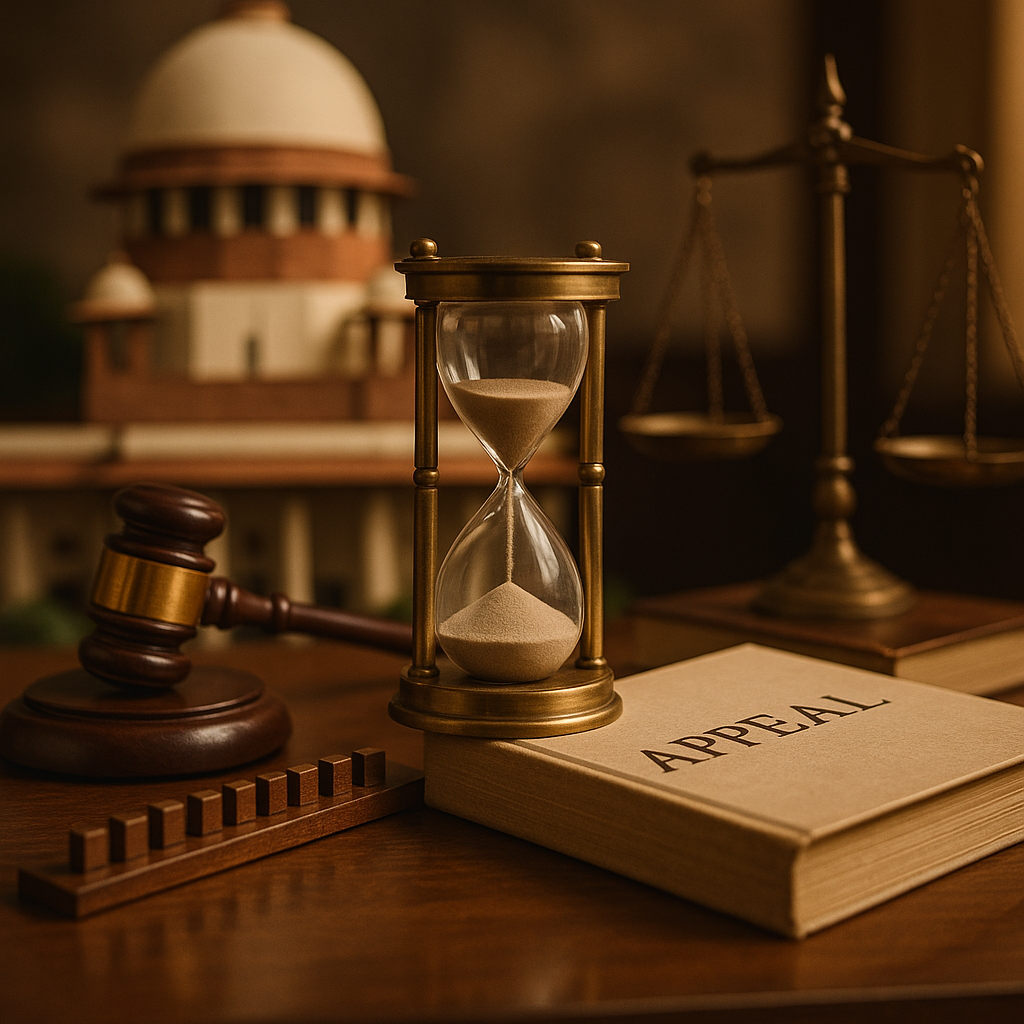

Timeline Stages Appeal Supreme Court Litigation: An Overview
The process of filing an appeal in the Supreme Court of India is a critical aspect of the Indian judicial system. Understanding the timeline stages appeal Supreme Court litigation involves is essential for litigants, legal practitioners, and scholars. This article provides a comprehensive examination of the various stages, statutory frameworks, and procedural nuances governing appeals in the Supreme Court of India.
Conceptual Overview of Supreme Court Appeal Stages India
An appeal to the Supreme Court is generally the final recourse under the Indian judicial hierarchy. It primarily involves challenging a judgment or order passed by the High Courts or other tribunals. The timeline stages appeal Supreme Court litigation refer to the sequential procedural steps starting from filing the appeal to the final judgment or disposal.
Appeals in the Supreme Court can be categorized mainly into:
- Civil Appeals under Articles 132 and 133 of the Constitution of India
- Criminal Appeals under Article 134
- Special Leave Petitions (SLP) under Article 136
Each category has its own procedural requirements and timelines.
Statutory Framework Under Indian Law
The appeal process in the Supreme Court is primarily governed by:
- The Constitution of India (Articles 132, 133, 134, and 136)
- The Supreme Court Rules, 2013
- The Code of Civil Procedure, 1908 (CPC)
- The Code of Criminal Procedure, 1973 (CrPC)
Constitutional Provisions
- Article 132: Grants the Supreme Court jurisdiction to hear appeals in civil matters involving substantial questions of law.
- Article 133: Provides for appeals in civil cases from High Courts.
- Article 134: Pertains to criminal appeals from High Courts.
- Article 136: Empowers the Supreme Court to grant special leave to appeal against any judgment or order.
These articles collectively establish the legal foundation for appeals in the Supreme Court.
Rights, Duties, and Legal Obligations in Supreme Court Appeals
- Right to Appeal: Litigants have the constitutional right to appeal to the Supreme Court subject to the fulfillment of conditions laid down by law.
- Duty to Comply with Timelines: Strict adherence to limitation periods, as prescribed under the Limitation Act, 1963, is mandatory.
- Obligation to File Proper Documentation: Accurate preparation and filing of the appeal memorandum, certified copies of judgments, and relevant records are essential.
Procedural Aspects and Legal Mechanisms
Understanding the procedural timeline stages appeal Supreme Court litigation involves the following steps:
- Filing the Appeal: The appellant submits a memorandum of appeal within the prescribed time limit.
- Admission Stage: The Supreme Court examines if the appeal merits admission based on substantial questions of law or other criteria.
- Listing and Hearing: Once admitted, the appeal is listed for hearing before a bench.
- Arguments and Submissions: Both parties present their legal arguments.
- Judgment Delivery: The bench delivers its judgment, which may affirm, reverse, or modify the lower court’s order.
- Execution of Judgment: The final orders are implemented as per the directions of the Supreme Court.
Judicial Interpretation and Landmark Case Laws
Several Supreme Court rulings have shaped the appeal process, clarifying procedural and substantive aspects:
- Collector, Land Acquisition v. Mst. Katiji (1987): Emphasized the importance of substantial questions of law for granting leave to appeal.
- R.D. Shetty v. International Airport Authority of India (1979): Highlighted the criteria for admission of appeals.
- Bachan Singh v. State of Punjab (1980): Addressed procedural safeguards in criminal appeals.
These judgments reinforce the standards and criteria for Supreme Court appeals.
Practical Implications for Individuals and Businesses
- Individuals must ensure timely filing and compliance with procedural mandates to avoid dismissal on technical grounds.
- Businesses engaged in commercial litigation benefit from understanding appeal stages to strategize legal remedies effectively.
The timeline stages appeal Supreme Court litigation also influence settlement negotiations and alternative dispute resolution mechanisms.
Common Misconceptions and Clarifications
- Misconception: Appeals can be filed indefinitely at the Supreme Court.
-
Clarification: Appeals are subject to strict limitation periods and admissibility criteria.
-
Misconception: The Supreme Court re-examines factual evidence.
-
Clarification: The Supreme Court primarily reviews substantial questions of law and does not usually re-assess facts.
-
Misconception: Special Leave Petitions are guaranteed to be heard.
- Clarification: SLPs are discretionary and may be dismissed without detailed hearing.
Frequently Asked Questions (AEO-Optimized)
Q1: What is the typical timeline for appeal stages in Supreme Court litigation?
A1: The timeline varies depending on the case complexity but generally involves filing within 90 days for civil appeals and 60 days for criminal appeals, followed by admission and hearing stages that may span months to years.
Q2: Can an appeal be filed directly to the Supreme Court?
A2: Direct appeals are limited; most appeals come from High Courts unless under special leave petition provisions.
Q3: What documents are essential for filing a Supreme Court appeal?
A3: Memorandum of appeal, certified copies of the impugned judgment, lower court records, and relevant affidavits.
Q4: Are there any fees associated with filing an appeal?
A4: Yes, filing fees are prescribed under the Supreme Court Rules and vary based on the appeal type.
Emerging Trends and Legal Developments in India
- Digitization of Filing: The Supreme Court has implemented e-filing systems, improving accessibility and timeline efficiency.
- Alternative Dispute Resolution (ADR) Encouragement: There is a growing emphasis on mediation and settlement before appeals reach the Supreme Court.
- Expedited Hearing for Certain Cases: The Court prioritizes matters involving constitutional questions and public interest.
These developments influence the timeline stages appeal Supreme Court litigation by streamlining procedures and reducing delays.
Key Legal Takeaways
Understanding the timeline stages appeal Supreme Court litigation is fundamental to navigating the apex court’s appellate jurisdiction in India. The process is governed by constitutional provisions, statutory rules, and judicial precedents ensuring a structured and fair adjudication. Adherence to timelines, procedural compliance, and awareness of legal interpretations enable litigants to effectively engage with Supreme Court appeals.
For further details on Supreme Court appeals and related legal processes, refer to authoritative sources such as the Supreme Court Rules, the Constitution of India, and landmark judgments available through official legal repositories.
For comprehensive legal information on Supreme Court litigation and appeals, visit Sheokand Legal.