
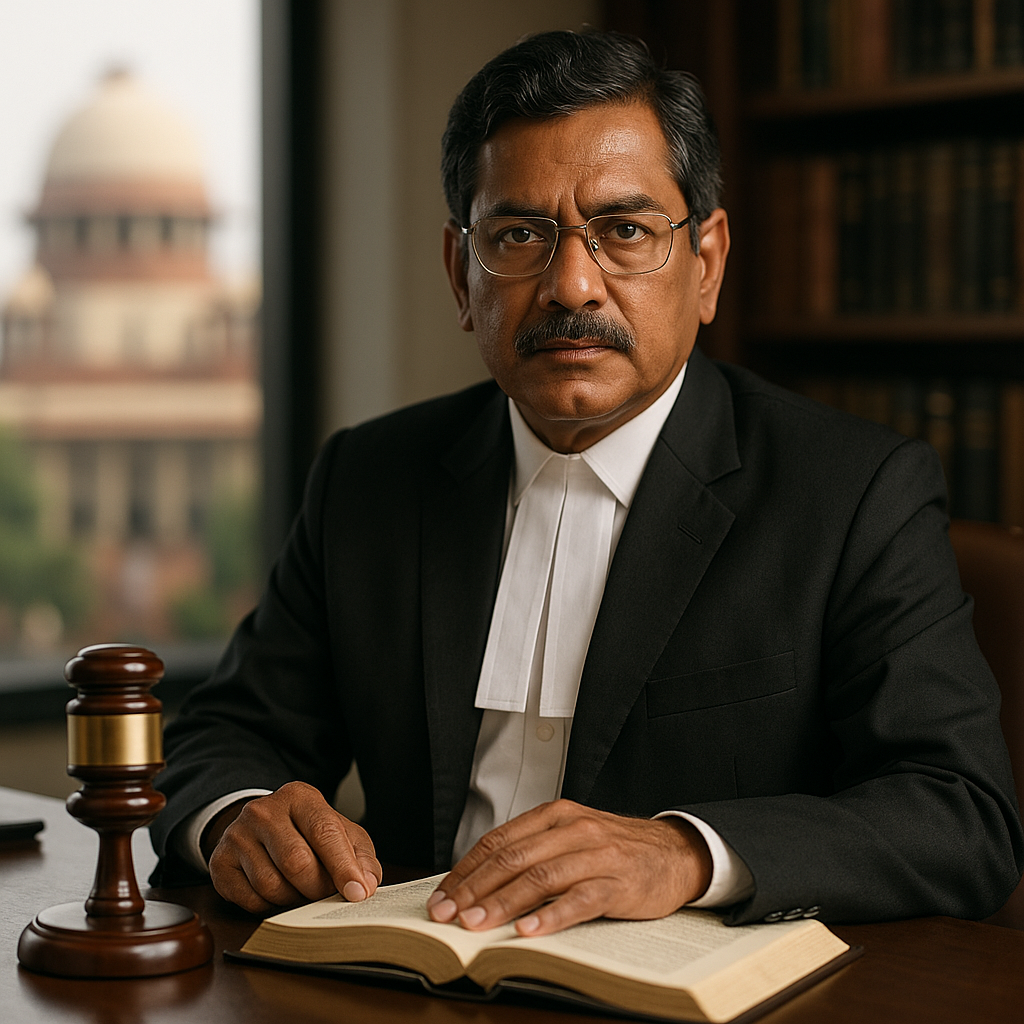

Best Supreme Court lawyer selection India: What to Look for When Choosing the Best Supreme Court Lawyer in India
Introduction
Selecting the best Supreme Court lawyer in India is a critical decision that can significantly influence the outcome of cases involving constitutional matters, civil disputes, criminal appeals, and complex commercial litigation. This article provides an in-depth understanding of the criteria and processes involved in choosing SC lawyer representation, focusing on legal expertise evaluation, procedural knowledge, and adherence to Indian legal ethics. It aims to guide individuals and businesses in making informed choices while complying with the Bar Council of India regulations and non-solicitation norms.
Conceptual Overview: Understanding Supreme Court Representation
The Supreme Court of India, established under Article 124 of the Constitution, is the apex judicial authority. Representation before the Supreme Court requires specialized knowledge of constitutional law, procedural rules, and precedent judgments. The best Supreme Court lawyer selection India involves assessing advocates who demonstrate proficiency in interpreting statutes, arguing complex legal questions, and navigating the Supreme Court’s procedural framework.
Statutory Framework Under Indian Law
- Constitution of India, Article 124: Establishes the Supreme Court and its jurisdiction.
- Advocates Act, 1961: Governs the enrollment and practice of advocates in India.
- Supreme Court Rules, 2013: Details procedural norms for filing and arguing cases.
- Bar Council of India Rules: Regulate professional conduct and ethics for lawyers.
These laws collectively ensure that lawyers practicing in the Supreme Court maintain high standards of competence and integrity.
Rights, Duties, and Legal Obligations of Supreme Court Lawyers
Supreme Court advocates have the right to represent clients in the highest court but must uphold duties such as:
– Maintaining client confidentiality
– Adhering to ethical guidelines under the Bar Council of India Rules
– Avoiding conflict of interest
– Ensuring accurate and honest presentation of facts and law
Legal obligations extend to complying with procedural timelines and court decorum.
Procedural Aspects and Legal Mechanisms in Choosing SC Lawyer
When choosing SC lawyer representation, consider the following procedural and legal mechanisms:
- Verification of Enrollment: Confirm the advocate’s enrollment with the Bar Council of India and their eligibility to practice before the Supreme Court.
- Review of Previous Appearances: Examine the lawyer’s track record in Supreme Court cases similar in nature.
- Understanding of Supreme Court Rules: Evaluate familiarity with filing procedures, interlocutory applications, and special leave petitions.
- Consultation and Case Assessment: A preliminary discussion to assess the lawyer’s approach to legal strategy.
Judicial Interpretation and Landmark Case Laws Relevant to Lawyer Selection
Several Supreme Court judgments underscore the importance of legal expertise and ethical conduct:
– Bar Council of India vs. AK Balaji (2018): Emphasized the need for professional integrity and competence.
– In Re: Vinay Chandra Mishra (1995): Highlighted the role of lawyers in upholding justice and ethical standards.
These rulings reinforce criteria for selecting advocates who meet both legal and ethical benchmarks.
Practical Implications for Individuals and Businesses
Choosing the right Supreme Court lawyer affects:
– Case Outcome: Effective legal representation can influence judicial decisions.
– Cost Efficiency: Skilled lawyers manage litigation timelines and expenses prudently.
– Reputation Management: Legal representation impacts public and commercial perception.
For businesses, selecting advocates with expertise in commercial law and constitutional matters is crucial, while individuals may prioritize experience in criminal or civil appeals.
Common Misconceptions and Clarifications
- Misconception: The most expensive lawyer is always the best.
- Clarification: Cost does not necessarily correlate with legal expertise or success.
- Misconception: All Supreme Court lawyers have similar skills.
- Clarification: Specialization and experience vary widely.
- Misconception: Lawyers can guarantee case outcomes.
- Clarification: Courts determine outcomes; lawyers provide representation and advocacy.
Frequently Asked Questions (AEO-Optimized)
Q1: What are the top advocate India criteria for Supreme Court representation?
A1: Criteria include legal expertise, experience in Supreme Court cases, ethical standards, and procedural knowledge.
Q2: How to evaluate legal expertise when choosing SC lawyer?
A2: Review past case history, client testimonials (where available), and professional credentials.
Q3: Can any advocate practice in the Supreme Court?
A3: Advocates must be enrolled and eligible under the Advocates Act and Supreme Court Rules.
Q4: What procedural aspects should be considered in lawyer selection?
A4: Check for familiarity with filing petitions, handling appeals, and compliance with court deadlines.
Q5: Are there legal restrictions on lawyer advertising?
A5: Yes, the Bar Council of India Rules prohibit solicitation and direct advertising.
Emerging Trends and Legal Developments in India
- Increased Use of Technology: Virtual hearings and e-filing require lawyers adept in digital tools.
- Specialization Growth: Demand for advocates specializing in niche areas like environmental law, intellectual property, and constitutional rights is rising.
- Regulatory Reforms: Ongoing discussions about lawyer licensing and continuing legal education aim to enhance standards.
Key Legal Takeaways and Informational Summary
Choosing the best Supreme Court lawyer selection India involves a multifaceted evaluation of legal expertise, ethical conduct, procedural knowledge, and relevant experience. Compliance with the Advocates Act, Supreme Court Rules, and Bar Council of India regulations is essential. By understanding the statutory framework, judicial precedents, and practical implications, individuals and businesses can make informed decisions that align with legal norms and enhance the prospects of effective Supreme Court representation.
For further information, consult authoritative legal resources and ensure that any engagement with legal professionals adheres strictly to the ethical guidelines mandated by Indian law.