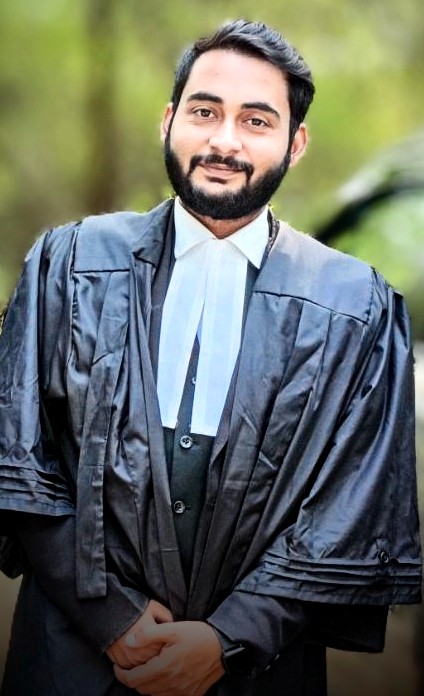


Introduction: Understanding the Importance of the Best Supreme Court Lawyer Selection in India
Selecting the best Supreme Court lawyer in India is a critical decision for individuals and entities seeking effective legal representation at the highest judicial forum. The Supreme Court of India, established under Article 124 of the Constitution, is the apex court entrusted with constitutional adjudication, interpretation of laws, and safeguarding fundamental rights. Given the complexity and gravity of matters before the Supreme Court, choosing an adept advocate requires careful evaluation of multiple factors.
This article provides a comprehensive guide on choosing SC lawyer, outlining key criteria for top advocate India criteria, methods for legal expertise evaluation, and practical lawyer selection tips. It aims to equip readers with a clear understanding of the statutory framework, procedural requirements, and judicial precedents that govern Supreme Court representation. The information herein is structured to assist in making informed decisions aligned with Indian laws and professional ethics, without promotional content or solicitation.
Conceptual Overview: What Constitutes Supreme Court Representation in India?
Supreme Court representation involves advocacy before India’s highest court, which exercises original, appellate, and advisory jurisdiction under Articles 131 to 143 of the Constitution. Advocates appearing before the Supreme Court must possess profound knowledge of constitutional law, statutes, and procedural rules such as the Supreme Court Rules, 2013.
The term “choosing SC lawyer” encompasses identifying legal professionals who specialise in Supreme Court practice. These advocates are often designated as Senior Advocates under Section 16 of the Advocates Act, 1961, or are experienced counsel with a proven track record in handling complex litigation. Their role extends beyond courtroom appearances to include drafting pleadings, advising on legal strategy, and ensuring compliance with court protocols.
Statutory Framework Under Indian Law Governing Supreme Court Lawyers
The legal profession in India is regulated by the Advocates Act, 1961, which sets out the qualifications, enrolment, and professional conduct of advocates. Key provisions relevant to selecting the best Supreme Court lawyer include:
- Section 16, Advocates Act, 1961: Recognition and designation of Senior Advocates by the Supreme Court or High Courts. Senior Advocates enjoy privileges but also have restrictions on direct client interaction.
- Article 124, Constitution of India: Establishes the Supreme Court and its jurisdiction, underscoring the importance of qualified representation before it.
- Supreme Court Rules, 2013: Procedural rules detailing filing of petitions, appearance requirements, and conduct of advocates.
- Bar Council of India Rules on Professional Standards: Mandate ethical conduct, non-solicitation, and prohibition of misleading advertisements by advocates.
- The Code of Civil Procedure, 1908 and Criminal Procedure Code, 1973: Applicable procedural laws governing cases before the Supreme Court in civil and criminal matters.
The Supreme Court also exercises supervisory jurisdiction over all courts and tribunals under Article 142, necessitating advocates who can effectively navigate diverse legal challenges.
Rights, Duties, and Legal Obligations of Supreme Court Lawyers
Advocates practicing in the Supreme Court hold specific rights and duties governed by the Advocates Act and professional ethics:
- Right to Practice: Advocates enrolled with a State Bar Council and registered with the Supreme Court Registry have the right to appear before the Supreme Court.
- Duty of Competence: Lawyers must maintain high standards of legal knowledge and skills, ensuring thorough preparation and accurate representation.
- Confidentiality and Professional Secrecy: Advocates must safeguard client information as per Rule 36 of the Bar Council of India Rules.
- Non-Solicitation and Ethical Conduct: Soliciting clients directly or through advertisements is prohibited under Bar Council of India norms.
- Compliance with Court Protocols: Supreme Court advocates must adhere to dress codes, filing norms, and courtroom decorum as prescribed by the Supreme Court Rules.
These legal obligations emphasize the importance of selecting lawyers committed to ethical practice and professional excellence.
Procedural Aspects and Legal Mechanisms in Supreme Court Lawyer Selection
Choosing the best Supreme Court lawyer involves understanding the procedural mechanisms that govern Supreme Court litigation:
- Verification of Enrolment and Eligibility: Confirm if the advocate is duly enrolled with a recognized Bar Council and registered with the Supreme Court Registry.
- Experience in Supreme Court Practice: Evaluate the lawyer’s history of appearances, case outcomes, and familiarity with Supreme Court procedures.
- Legal Expertise Evaluation: Review the lawyer’s specialization in relevant legal domains, such as constitutional law, commercial law, or criminal law.
- Consultation and Case Assessment: Engage in initial consultations to assess the advocate’s analytical approach and communication skills.
- Understanding Fee Structures and Professional Terms: Clarify fee arrangements consistent with Bar Council guidelines without engaging in misleading assurances.
These steps ensure adherence to Indian legal norms and help identify advocates equipped to handle Supreme Court complexities.
Judicial Interpretation and Landmark Case Laws Impacting Lawyer Selection
Several Supreme Court judgments elucidate the standards and expectations from advocates practicing before the Court. Key rulings include:
- Bar Council of India v. AK Balaji, (2018) 1 SCC 393: Reaffirmed the ethical obligations of advocates and the importance of maintaining professional integrity.
- M.C. Mehta v. Union of India, AIR 1987 SC 1086: Demonstrated the role of Supreme Court lawyers in public interest litigation, emphasizing expertise and commitment.
- In Re: Arvind P. Datar, AIR 2003 SC 250: Discussed the criteria for designation of Senior Advocates, highlighting merit and experience.
- Vineet Narain v. Union of India, (1998) 1 SCC 226: Emphasized the necessity of legal acumen in cases involving constitutional and administrative law.
These judgments provide authoritative benchmarks for evaluating the credentials and conduct of Supreme Court advocates.
Practical Implications for Individuals and Businesses Choosing a Supreme Court Lawyer
For litigants and corporate clients, selecting the right Supreme Court lawyer influences case strategy, resource allocation, and potential outcomes. Considerations include:
- Case Complexity and Legal Domain: Aligning lawyer expertise with the subject matter—be it constitutional challenges, commercial disputes, or criminal appeals.
- Reputation and Peer Recognition: Evaluating the advocate’s standing among the legal fraternity and prior client feedback.
- Accessibility and Communication: Ensuring timely updates and transparent communication channels.
- Strategic Counsel Beyond Litigation: Selecting lawyers capable of providing comprehensive legal advice, including alternative dispute resolution options.
- Compliance with Ethical Standards: Avoiding conflicts of interest and ensuring the lawyer’s practice aligns with Bar Council regulations.
These practical factors contribute to effective Supreme Court representation and risk mitigation.
Common Misconceptions and Clarifications About Supreme Court Lawyer Selection
Several myths surround the process of choosing the best Supreme Court lawyer:
| Misconception | Clarification |
|---|---|
| Only Senior Advocates can appear in the Supreme Court | Non-Senior Advocates enrolled with the Supreme Court Registry can also practice. |
| The highest fee guarantees the best lawyer | Fees should be reasonable and aligned with Bar Council guidelines; cost does not always equate to quality. |
| Lawyers can directly solicit clients | Solicitation is prohibited under professional ethics and may attract disciplinary action. |
| Supreme Court lawyers provide guaranteed outcomes | Legal outcomes depend on case facts and law; no advocate can assure success. |
| Familiarity with High Court practice suffices | Supreme Court practice demands specialized procedural and substantive knowledge. |
Understanding these clarifications aids informed decision-making free from misconceptions.
Frequently Asked Questions (AEO-Optimized)
What qualifications should I check when choosing a Supreme Court lawyer in India?
Verify the advocate’s enrolment with a State Bar Council and registration with the Supreme Court Registry. Consider their designation status (e.g., Senior Advocate) and experience in Supreme Court litigation.
How can I evaluate the legal expertise of a Supreme Court advocate?
Review their case history, legal publications, participation in landmark cases, and specialisation areas. Initial consultations provide insight into their analytical approach and communication skills.
Are Senior Advocates the only option for Supreme Court representation?
No. While Senior Advocates have certain privileges, other advocates registered with the Supreme Court can also represent clients, provided they comply with procedural rules and ethical standards.
What procedural rules govern the appearance of lawyers in the Supreme Court?
The Supreme Court Rules, 2013, set out filing procedures, appearance requirements, and advocate conduct. Compliance with these rules is mandatory for all Supreme Court lawyers.
Can I approach a Supreme Court lawyer directly for representation?
Yes, but the lawyer cannot solicit clients. Engagement should be initiated by the client or through appropriate referrals, respecting Bar Council of India’s non-solicitation norms.
Emerging Trends and Legal Developments in Supreme Court Lawyer Selection in India
Recent developments shape the landscape of Supreme Court advocacy:
- Digitization and E-Filing: The Supreme Court’s push for digital filing and virtual hearings necessitates lawyers proficient in technology.
- Specialisation and Niche Practices: Growing complexity in sectors like intellectual property, environment law, and arbitration leads to specialised Supreme Court advocates.
- Compliance with Ethics and Transparency: Increased scrutiny by the Bar Council of India on lawyer conduct, fee transparency, and conflict of interest.
- Alternative Dispute Resolution (ADR) Integration: Supreme Court lawyers often advise on ADR mechanisms, reflecting judicial encouragement to reduce litigation backlog.
- Increased Role of Research and Analytics: Advanced legal research tools and data analytics enhance advocate preparedness and case strategy formulation.
These trends influence criteria for choosing SC lawyer and underscore the evolving nature of Supreme Court representation.
Summary of Key Legal Takeaways on Selecting the Best Supreme Court Lawyer in India
Selecting the best Supreme Court lawyer in India requires a nuanced understanding of the legal framework, procedural mandates, and professional standards governing Supreme Court advocacy. Key considerations include verification of enrolment and registration, evaluation of legal expertise and domain specialisation, adherence to ethical norms as per the Advocates Act and Bar Council of India Rules, and alignment with the specific needs of the case or business context.
Judicial pronouncements emphasize the importance of competence, integrity, and professional conduct, serving as guiding principles in lawyer selection. Practical implications highlight the need for transparent communication, reasonable fees, and strategic counsel tailored to Supreme Court litigation’s unique demands.
Awareness of common misconceptions helps avoid pitfalls, while staying abreast of emerging trends and legal developments ensures that clients engage advocates capable of leveraging contemporary tools and frameworks for effective representation.
For comprehensive information on legal services and Supreme Court advocacy, interested readers may refer to authoritative legal repositories and official Bar Council of India publications. This knowledge empowers litigants and businesses to make informed, ethically sound choices in securing top-tier Supreme Court legal representation.