

Family property in Chandigarh can turn from a source of security to a flashpoint almost overnight. Brothers who once shared cricket bats now fight over plot boundaries. Sisters who celebrated Rakhi together barely speak after a partition suit is filed. If you’ve landed here, you’re likely tangled in a joint property dispute in Chandigarh, or worried that one is brewing. You want clarity: What are your rights? What steps can you take? How does Chandigarh’s unique legal and cultural mix affect your case? Let’s break this down with real facts, plain talk, and zero legal jargon where possible.
If you’re facing a joint property dispute in Chandigarh, know this: Partition of joint family or ancestral properties typically involves a court-supervised process, strict adherence to succession laws of Punjab and Haryana, and detailed documentation (heirship, mutation, settlement deeds). Fast resolution depends on clear title records, timely mutation, and practical settlement – or else, a partition suit. Legal advice and complete paperwork are critical for protecting your share.
Why Chandigarh Joint Property Disputes Are Different
Chandigarh sits at the crossroads of Punjab and Haryana, but is governed by its own administrative rules. This creates a unique blend for family property partition. Here’s what makes disputes here stand out:
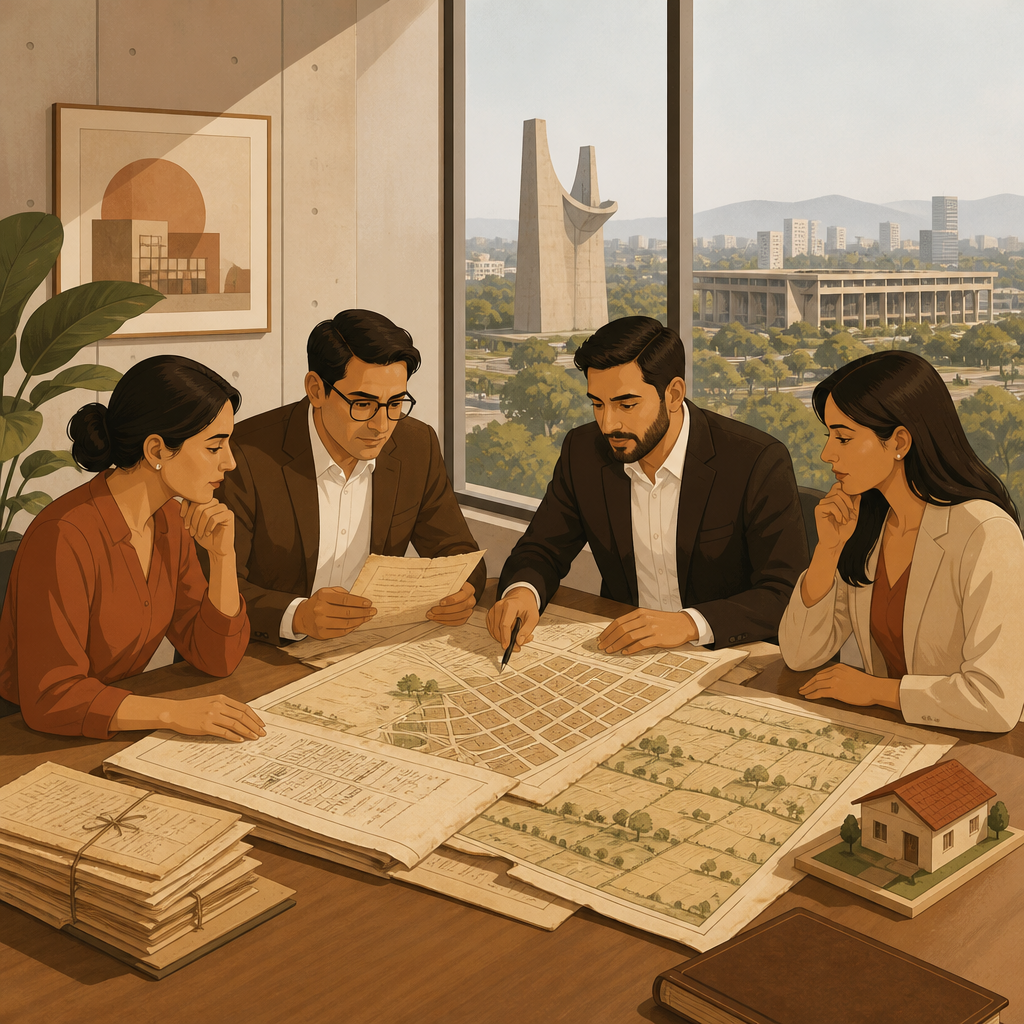
- Dual legal influences: Chandigarh is a Union Territory, but succession laws of Punjab and Haryana often apply, depending on the family’s origin and community.
- Urbanization pressure: Joint properties, especially ancestral homes and agricultural land, have shot up in value. Suddenly, what was ignored for decades becomes hotly contested.
- Paperwork gaps: Many old properties lack updated mutation records or proper heirship documentation, making it easier for disputes to drag on.
- Mixed property types: Urban plots, kothis, and rural land can all fall under one dispute, each with its own legal quirks.
If you’re handling a joint property dispute in Chandigarh, you need to know which laws apply, and which documents can make or break your case.
Understanding Joint Property and Family Partition
Joint property isn’t just a legal phrase – it’s a reality for most Chandigarh families. It typically means a property held by two or more people, often siblings or extended family, with no physical division. Here’s what you need to grasp:
Types of Joint Property
- Ancestral property: Land or house inherited up to four generations from a common male ancestor, without division.
- Self-acquired property: Bought by an individual, but sometimes pooled into joint family assets.
- HUF (Hindu Undivided Family) property: Managed under Hindu law, common in Chandigarh’s business families.
Why Partition Happens
Family property partition is usually triggered by:
– Marriage, when sisters or daughters seek their share
– Sale or redevelopment of property
– Business separation
– Death of a parent or grandparent
Once one co-owner wants out, partition becomes unavoidable. Avoiding a legal mess depends on early agreement or, failing that, a well-managed partition suit process.
Legal Framework: Succession Laws, Partition, and Heirship in Chandigarh
Chandigarh’s legal setup borrows from both Punjab and Haryana, with some quirks.
Succession Laws: Punjab and Haryana Influence
- Hindu Succession Act, 1956: Governs Hindus, Sikhs, Jains, and Buddhists.
- Indian Succession Act, 1925: Applies to Christians and Parsis.
- Muslim Personal Law: For Muslims, based on Shariat.
- Punjab and Haryana follow the same central succession laws, but their land revenue rules (for mutation and partition) differ slightly, which can affect timelines and documentation.
Key Legal Terms Explained
- Partition suit: Court case filed by a co-owner seeking division of joint property, either by metes and bounds (physical division) or sale and distribution of proceeds.
- Mutation of property: Updating land records to reflect new ownership after partition or inheritance.
- Heirship documentation: Legal papers proving your right as an heir – includes death certificate, legal heir certificate, and sometimes a registered will.
- Settlement deed: A written agreement, often registered, where co-owners settle their shares without court intervention.
Women’s Rights in Partition
Since the 2005 amendment to the Hindu Succession Act, daughters have equal rights in ancestral property. Old notions that only sons inherit are now outdated in law, but still cause friction in practice.
Partition Suit Process: Step-by-Step for Chandigarh Families
If family talks fail, a partition suit becomes the only way out. Here’s how the process usually unfolds:
- Attempt at Family Settlement
– Informal discussions, sometimes with elders or community leaders
– Drafting a settlement deed Chandigarh families often start here - Legal Notice
– One co-owner sends a formal notice demanding partition
– Sets a timeline for response - Filing the Partition Suit
– Filed in the civil court with jurisdiction over the property
– Attach all relevant documents: title deeds, heirship proof, mutation records - Preliminary Decree
– Court determines shares of each co-owner
– Sometimes, a local commissioner is appointed to inspect and report on the property - Final Decree and Execution
– Physical division of property (if possible) or order for sale and distribution
– Mutation of property records to reflect new ownership
Common Documents Needed
- Title deed or sale deed
- Jamabandi (record of rights) for land
- Mutation records (intkal)
- Death certificates and legal heir certificates
- Any unregistered family settlements or past partition agreements
- Registered will, if available
Missing documents are the number one reason partition suits stall. For a deeper dive into how paperwork delays cases, see Why Most Owners Lose Time: The Hidden Cost of Missing Key Documents in Disputes.
Practical Challenges in Chandigarh Family Property Partition
Partition disputes in Chandigarh come with headaches not seen elsewhere. Here’s what families commonly face:
1. Mixed Urban-Rural Assets
- Properties may include a house in Sector 22 and farmland in nearby Mohali or Panchkula.
- Different revenue records and authorities handle each, complicating mutation.
2. Outdated or Incomplete Records
- Many ancestral homes lack clear title or up-to-date mutation.
- Oral settlements from decades ago are common, but not always legally recognized.
3. Multiple Generations, Multiple Claims
- Grandchildren, daughters-in-law, and even estranged siblings can all claim a share.
- Heirship documentation needs to be airtight, or else disputes drag on for years.
4. Emotional and Social Pressure
- Families fear social stigma if a daughter files for her share.
- Elders may resist legal partition, hoping for an amicable settlement.
Key Steps: From Dispute to Settlement in Joint Property Cases
Resolving a joint property dispute in Chandigarh usually follows these steps:
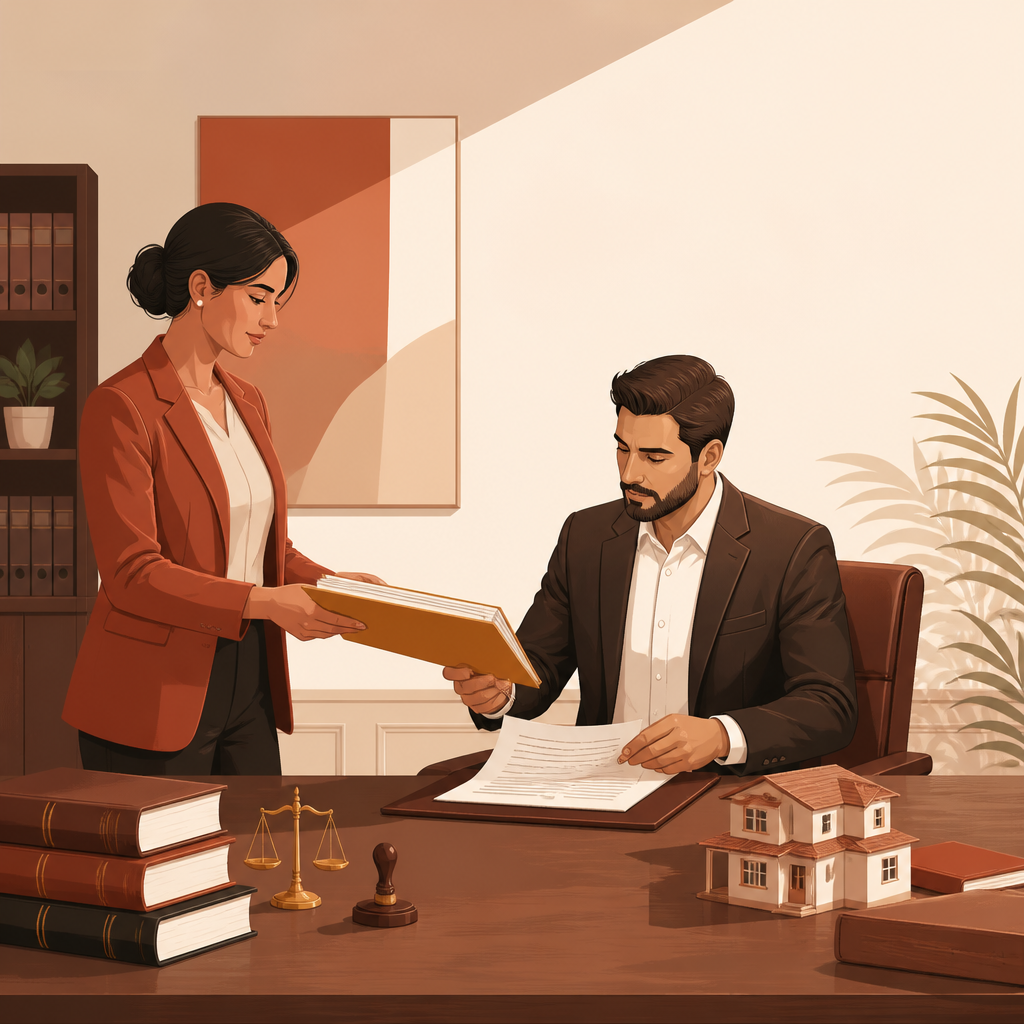
- Gather All Relevant Documents
– Get certified copies of title deeds, jamabandi, mutation, and any family settlements. - Legal Notice and Negotiation
– Send a formal demand for partition; attempt out-of-court settlement. - Draft a Settlement Deed (if possible)
– Record the agreed shares; register the deed for legal validity. - File Partition Suit (if talks fail)
– Prepare for a court-supervised process; engage a local property lawyer. - Mutation of Property
– After division, apply for mutation to update revenue records.
Tips for Faster Resolution
- Insist on written agreements, even if reached within the family.
- Don’t ignore mutation; it’s proof of ownership for future sales or loans.
- Avoid oral settlements – they’re tough to enforce in court.
- If you’re missing documents, start the retrieval process early.
You’ll find more strategic advice in Resolving Property Disputes in Chandigarh: A Strategic Playbook for Owners and Heirs.
Mutation of Property: Why It Matters After Partition
After partition (by court or settlement), mutation is the next big hurdle. Mutation updates the official land or property records to reflect the new owner’s name. Here’s why it’s critical:
- Banks demand mutation before approving loans or mortgages.
- Local authorities require it for property tax, building permissions, or utilities.
- Without mutation, you can’t legally sell or transfer your share.
Mutation Process in Chandigarh
- Apply at the local revenue office (Tehsil) or MC office for urban properties.
- Submit the partition deed, court decree, or settlement deed.
- Provide identity proof, proof of possession, and NOC from other co-owners if required.
- Mutation order is passed after public notice and verification.
Delays are common if documents are missing or if there’s an objection from any party.
Settlement Deed in Chandigarh: Avoiding Lengthy Litigation
Many families want to avoid court and settle privately. A settlement deed is the best tool for this, but it must be done right.
What Makes a Valid Settlement Deed?
- Written and signed by all co-owners
- Clearly defines each party’s share
- Describes the property in detail (boundaries, survey numbers, etc.)
- Preferably registered with the Sub-Registrar
A registered settlement deed carries more legal weight. Unregistered or oral settlements often lead to fresh disputes later.
When Should You Use a Settlement Deed?
- When all parties agree on division and want to avoid court
- When property is easily divisible (for example, two floors, two siblings)
- When there’s urgency to sell or redevelop
If there’s even one major disagreement, a settlement deed may not hold up. Honest advice: Don’t skip registration just to save on stamp duty – unregistered deeds rarely stand up in court.
Common Mistakes in Chandigarh Joint Property Disputes
Even smart families stumble on the basics. Here are frequent errors that turn a short dispute into a decade-long headache:
- Relying on oral family arrangements instead of written deeds
- Ignoring the need for mutation after partition
- Failing to include all legal heirs in the process
- Overlooking changes in succession laws, especially for women’s rights
- Not retrieving or updating old records from revenue offices
- Underestimating the emotional fallout of dragging siblings to court
Avoiding these mistakes can save lakhs in legal fees and years of stress.
Important Judgments and Precedents
A few court decisions have shaped how Chandigarh’s partition suits are decided:
- Gurbux Singh v. Harminder Kaur (Punjab & Haryana High Court): Confirmed that oral partitions are hard to prove without documentary evidence.
- Vineeta Sharma v. Rakesh Sharma (Supreme Court, 2020): Reaffirmed daughters’ equal rights in ancestral property, even if the father died before 2005.
- Surinder Kaur v. State of Punjab: Stressed the need for mutation to reflect actual ownership after any division or transfer.
These cases guide local courts and clarify gray areas, especially regarding proof and women’s rights.
Tax Implications and Regulatory Considerations
Partition and transfer of joint property can trigger tax events:
- No capital gains on partition: If property is divided among heirs, no capital gains tax applies. But if one heir sells their share, tax is due on the profit.
- Stamp duty on settlement deeds: Registered settlement deeds attract stamp duty (rates vary by property type and location within Chandigarh).
- Municipal and revenue fee: Mutation and registration involve nominal fees but skipping them can block future transactions.
Always check the latest rates and rules, as local authorities update them regularly.
Frequently Asked Questions
What is the process for partitioning joint family property in Chandigarh?
Partitioning joint family property in Chandigarh generally involves negotiation among co-owners, drafting a settlement deed if there is agreement, or filing a partition suit in civil court if not. The process includes submitting all title and heirship documents, obtaining a preliminary court decree, and updating mutation records after the final division.
Can daughters claim ancestral property in Chandigarh?
Yes, under the Hindu Succession Act (amended in 2005), daughters have equal rights to ancestral property in Chandigarh, regardless of their marital status or the date of the father’s death, as clarified by the Supreme Court in the Vineeta Sharma case.
What documents are required for a partition suit in Chandigarh?
You typically need the following:
– Title or sale deed
– Mutation records (intkal)
– Jamabandi (record of rights)
– Death certificate and legal heir certificate
– Any previous settlement deeds or wills
How is mutation of property done after partition in Chandigarh?
The mutation process involves applying at the local revenue or municipal office with the partition deed, court order, or settlement deed, along with proof of identity and possession. The authority issues a public notice, verifies records, and updates the ownership if no objections arise.
What happens if one co-owner does not agree to partition?
If even one co-owner refuses, the willing party can file a partition suit in the relevant civil court. The court will determine each party’s share and order physical division or sale if necessary.
Is oral family settlement valid in Chandigarh property disputes?
Oral settlements are legally allowed but rarely hold up in court unless supported by strong documentary or witness evidence. Written and registered settlement deeds are much safer.
How long does a partition suit take in Chandigarh?
A partition suit can take 2 – 5 years or longer, depending on the complexity, number of parties, and whether documentation is complete. Missing records and objections often cause delays.
What is the role of a local commissioner in partition suits?
The court may appoint a local commissioner to inspect the property, suggest feasible divisions, and report on physical boundaries. Their findings help the court pass a fair partition decree.
What is the difference between ancestral and self-acquired property in partition?
Ancestral property is inherited through four generations and is automatically divided among legal heirs. Self-acquired property is bought by an individual and is only inherited as per their will or succession law.
Can a settlement deed be challenged later?
Yes, a settlement deed can be challenged in court if it was obtained by fraud, coercion, or if not all legal heirs were included. Registration and proper documentation reduce the chances of successful challenge.
What taxes are applicable on partition or settlement of joint property?
No capital gains tax applies to partition among heirs, but stamp duty is payable on registered settlement deeds. Selling a share later may attract capital gains tax.
Do I need a lawyer for a joint property dispute in Chandigarh?
While not mandatory for negotiation, a lawyer is strongly advised for drafting agreements, filing suits, and handling documentation. Local legal expertise speeds up resolution and prevents costly mistakes.
Key Takeaways for Chandigarh Families Dealing With Joint Property Disputes
Joint property disputes in Chandigarh are rarely simple. They mix law, family emotion, and paperwork in ways that surprise even seasoned lawyers. If you’re facing a family property partition, arm yourself with clear documents, up-to-date mutation, and a willingness to settle if possible. Legal advice is a smart investment, not an extra cost. With the right steps, you can protect your rights – and maybe keep the family WhatsApp group civil, too.