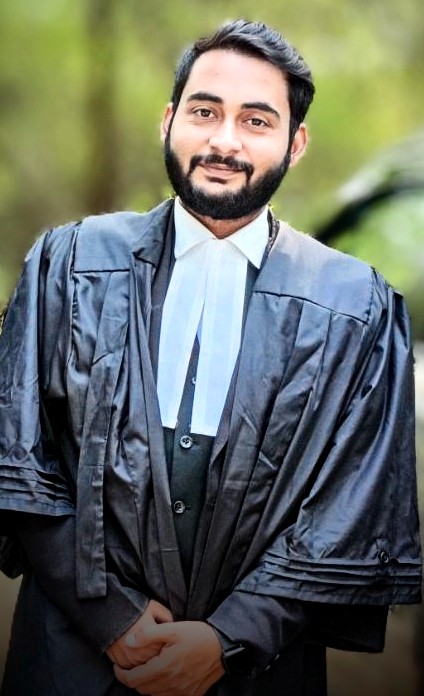


Most people searching for criminal defense lawyers in North India run into the same wall: why do so many of the best advocates seem to come from Chandigarh? Clients want sharp minds, not just big reputations. Law students want to know where to build their skills. Even lawyers in Delhi and Mumbai admit, often with a sigh over their second cup of chai, that Chandigarh’s legal ecosystem shapes some of the country’s toughest criminal defense talent. But what’s really happening behind those polished chamber doors? Is it just the city’s High Court, or is there something deeper in the legal culture here?
Chandigarh’s legal culture is unique in India. Its legal ecosystem – from the Punjab and Haryana High Court’s reputation and its history of bold case law development, to its tradition of cross-examination battles and close-knit mentorship – creates a training ground that breeds elite criminal defense advocates. Influential legal professionals, rigorous law practice traditions, and a steady stream of high-stakes cases all push lawyers to develop unmatched criminal defense expertise. If you’re wondering why so many top defense lawyers have Chandigarh roots, it’s not luck. It’s the city’s legal DNA.
Why Chandigarh Produces Elite Criminal Defense Lawyers
Ask any seasoned litigator and you’ll hear the same thing: Chandigarh’s legal ecosystem is a pressure cooker for criminal defense talent. Here’s what sets it apart:
- The Punjab and Haryana High Court is known for its high standards and bold, precedent-setting decisions.
- The city attracts complex, high-profile criminal cases from Punjab, Haryana, and Himachal Pradesh.
- Law chambers here run on deep mentorship, tough peer review, and a fierce oral advocacy tradition.
- There’s a constant cross-pollination between influential legal professionals, senior advocates, and ambitious juniors.
- The local bar is famously competitive, but also collaborative – lawyers share strategies, but never cut corners.
Honestly, few other cities in India combine all these factors. It’s no surprise that so many of the country’s leading criminal defense experts either trained here or still call Chandigarh home.
The Role of the High Court: Reputation and Standards
The Punjab and Haryana High Court isn’t just another stop on the legal circuit. Its reputation shapes the entire region’s legal ecosystem.
High Court Reputation: What Sets It Apart
The High Court in Chandigarh is known for:
- Judicial benchmarks: Many of its rulings become national standards, especially in criminal jurisprudence.
- Sharp, well-reasoned judgments that lower courts across North India follow.
- A tradition of deep, sometimes relentless, oral arguments – judges expect clarity and depth.
Some of the most influential criminal law judgments in India have come out of this court. Lawyers here can’t afford to be unprepared. A single poorly argued bail application can haunt a junior for years.
Standards for Criminal Defense
Criminal defense advocates quickly learn that:
- Every point must be backed by strong case law.
- Judges expect not just legal theory, but practical knowledge of police procedure, forensic evidence, and cross-examination.
- Written arguments matter, but oral advocacy is king – quick thinking often wins the day.
The standards set by the High Court ripple outward. Even trial court lawyers in Chandigarh adopt the same habits: meticulous file preparation, late-night research, and dry-run arguments with colleagues.
Law Practice Traditions: Mentorship, Chambers, and Peer Review
If you walk through the High Court corridors at 9 a.m., you’ll see it: clusters of juniors trailing behind senior advocates, carrying files, whispering questions, and scribbling notes. This isn’t just logistics – it’s the backbone of the city’s law practice traditions.
Mentorship and Chambers
Chandigarh’s chambers run on old-school apprenticeship. What does that mean in practice?
- Juniors don’t just draft and file – they’re expected to watch, listen, and ask questions.
- Seniors will quiz them on case law development, procedural strategy, and even courtroom etiquette.
- Many juniors switch chambers at least once, picking up different styles and philosophies.
This system isn’t always gentle. Some seniors are famously tough, but the payoff is real. The best criminal defense lawyers here can trace their skills back to at least one hard-nosed mentor.
Peer Review and Informal Training
Lawyers in Chandigarh spend hours debating legal points over chai in the canteen. These sessions matter:
- New judgments are dissected line by line.
- Mistakes in filings or arguments are called out – sometimes loudly.
- Younger lawyers often practice bail arguments with friends before stepping into court.
It’s a culture where everyone is both a critic and a coach. That keeps standards high.
Case Law Development: The Heart of Legal Strategy
Chandigarh’s criminal defense bar is obsessed with case law. The city’s lawyers don’t just cite precedents – they shape them.
Why Case Law Matters So Much Here
- The High Court’s jurisdiction covers three states, so criminal cases often involve complex, overlapping statutes.
- Lawyers must be ready to argue both established principles and new legal questions.
- Every major criminal case is an opportunity to set or challenge a judicial benchmark.
If you look at recent Supreme Court criminal law citations, you’ll notice how many trace back to Punjab and Haryana High Court judgments. Local lawyers are proud of this, and juniors are expected to know the backstory of every important precedent.
Practical Impact on Criminal Defense Expertise
- Defense strategies are built around the latest case law, not just the bare text of the IPC or CrPC.
- Lawyers keep personal databases of bail rulings, quashing orders, and acquittal precedents.
- Many seniors encourage juniors to write articles and case notes, sharpening their analysis.
This focus on case law means Chandigarh’s criminal defense lawyers are rarely caught off guard by a new legal argument. They’re usually the ones making it.
Influential Legal Professionals: Chandigarh’s Criminal Bar
Some cities are known for their judges, but Chandigarh is famous for its advocates. The criminal bar here shapes the city’s legal ecosystem.
Who Are the Big Names?
- Senior advocates who have argued landmark cases before the Supreme Court.
- Former judges who returned to practice and now mentor juniors.
- Legal academics who split their time between teaching and high-profile defense work.
If you want to see who sets the standard, check out Criminal Law Powerhouses in Chandigarh: Who Sets the Standard?. It’s a running joke that every new criminal lawyer tries to join the chamber of one of these powerhouses.
The Influence of These Professionals
- Juniors learn by watching high-stakes cross-examinations and bail arguments.
- Legal strategies developed in these chambers often ripple out across North India.
- Many influential lawyers take on pro bono criminal cases, setting ethical standards for the bar.
It’s not just about fame. The culture here values substance over showmanship. Even the most celebrated lawyers are judged by their courtroom skills, not just their client list.
High Court Procedures and Their Impact on Defense Practice
Working at the Punjab and Haryana High Court isn’t for the faint-hearted. The procedures are more demanding than most trial courts.
Filing, Listing, and Urgency
- Every criminal matter must clear strict scrutiny at the filing stage.
- Urgent bail applications or habeas corpus petitions are heard the same day, but only if the paperwork is flawless.
- Listing of cases depends on both seniority and the seriousness of the matter.
Mistakes in procedure can cost clients their freedom. Juniors often spend their first year learning the art of the perfect filing.
Oral Arguments and Judicial Expectations
- Judges push lawyers to think on their feet. Written notes matter, but oral answers to pointed questions decide most bail cases.
- Some benches are known for their tough stance on police excesses or procedural violations. Defense lawyers must know the latest rulings and be ready to cite them from memory.
It’s a high-pressure environment, but it trains lawyers to be fast, precise, and persuasive.
The Stream of Complex and High-Profile Criminal Cases
Chandigarh gets a steady flow of cases that would make any criminal lawyer’s heart race:
- High-profile murder trials from Punjab’s political scene
- Narcotics cases involving cross-border syndicates
- Corruption cases against senior bureaucrats
- Terrorism-related matters touching on national security laws
- CBI and ED prosecutions with national media attention
This variety forces lawyers to master not just the Indian Penal Code, but also special statutes like the NDPS Act, PMLA, UAPA, and more. Each case is a test of both legal knowledge and practical strategy.
The Culture of Cross-Examination and Oral Advocacy
Chandigarh’s defense lawyers are famous for their cross-examination skills. In this city, the art of asking questions is a badge of honour.
How Cross-Examination Is Taught and Learned
- Juniors watch dozens of trials before they’re allowed to question a witness themselves.
- Senior advocates often rehearse cross-examinations with their juniors, anticipating every possible answer.
- The best lawyers keep thick notebooks of past cross-examinations, learning from both victories and blunders.
Why Oral Advocacy Matters
- Judges in Chandigarh expect direct, sharp answers. Rambling won’t work.
- Many bail and quashing matters are decided after just 10 – 20 minutes of oral argument.
- The ability to think and respond quickly is prized above all.
If you’re not ready to stand up and argue at a moment’s notice, you won’t last long here.
Judicial Benchmarks: Precedent-Setting Criminal Judgments
The Punjab and Haryana High Court has set several judicial benchmarks in criminal law. These aren’t just local precedents – they shape national law.
Notable Judgments and Their Impact
- Key bail guidelines for NDPS Act cases
- Acquittal standards in dowry death and domestic violence prosecutions
- Limits on police remand and custodial interrogation
- Landmark quashing orders under Section 482 CrPC
These judgments are cited by courts across India. Many were argued by Chandigarh’s own criminal defense experts.
Influence on Other Jurisdictions
- Supreme Court often references Punjab and Haryana High Court rulings when setting national standards.
- Other High Courts look to Chandigarh’s approach to criminal procedure as a model.
This reputation attracts ambitious lawyers and complex cases, keeping the city’s legal ecosystem sharp.
How Chandigarh’s Legal Education Feeds the Defense Bar
It’s not just the courts – Chandigarh’s law schools and legal training programs also shape the city’s criminal defense expertise.
Law Colleges and Continuing Education
- Panjab University’s Department of Laws and Army Institute of Law are known for rigorous criminal law programs.
- Many students intern directly with High Court advocates, getting hands-on experience early.
- Legal aid clinics and moot courts focus heavily on criminal law problems.
Mentorship and Early Exposure
- Law students are often encouraged to attend real bail hearings and trial arguments.
- Senior advocates sometimes offer informal workshops on evidence law, cross-examination, and procedural strategy.
- This early exposure helps students decide if they’re cut out for criminal practice.
The result: a steady pipeline of young lawyers who are courtroom-ready from day one.
Legal Community and Professional Ethics
Chandigarh’s legal community is tight-knit but demanding. Ethics and reputation matter here, sometimes more than in larger cities.
Informal Regulation and Peer Pressure
- Senior lawyers openly call out unethical conduct or shoddy work.
- The Bar Association enforces discipline, sometimes more stringently than formal regulatory bodies.
- Lawyers who cut corners or fudge facts find themselves quickly isolated.
Pro Bono and Social Responsibility
- Many top criminal defense lawyers take on pro bono matters for the poor or wrongly accused.
- Public interest litigation is common, with advocates challenging police misconduct or unfair trials.
This culture of accountability helps maintain high standards year after year.
Risks, Limitations, and Challenges in Chandigarh’s Legal Ecosystem
Nothing is perfect. Chandigarh’s legal ecosystem also faces its own challenges:
- Intense competition can make it hard for new lawyers to break in.
- Some say the mentorship system can be too harsh or closed to outsiders.
- High-profile cases sometimes attract negative media attention, risking trial by media.
- The sheer volume of cases can lead to long hours and burnout.
Still, most lawyers here agree: the pressure makes you better. If you can survive in Chandigarh, you can thrive anywhere in India’s criminal defense bar.
Frequently Asked Questions
What makes Chandigarh’s legal ecosystem unique for criminal defense?
Chandigarh’s legal ecosystem stands out due to its High Court’s reputation, competitive bar culture, strong mentorship, and a steady stream of complex criminal cases. These factors combine to create a challenging but rewarding environment for criminal defense lawyers.
How does the Punjab and Haryana High Court influence criminal law?
The High Court sets judicial benchmarks through precedent-setting judgments, especially in bail, quashing, and procedural matters. Its rulings are often cited by the Supreme Court and other High Courts, shaping criminal law nationwide.
Which law practice traditions are strongest in Chandigarh?
Mentorship through chambers, peer review, and open debate over legal points are core traditions. Juniors are trained rigorously by seniors, and there is a strong culture of oral advocacy and cross-examination.
How do lawyers in Chandigarh stay updated on case law development?
Lawyers regularly review new judgments, maintain personal databases of important cases, and discuss recent decisions in informal chamber meetings or bar association sessions.
What are the main challenges for young criminal lawyers in Chandigarh?
Young lawyers face tough competition, high expectations from seniors, and the need to master both practical and theoretical aspects of criminal law. Breaking into top chambers can also be difficult.
Which influential legal professionals have shaped Chandigarh’s criminal bar?
Many senior advocates, former judges, and legal academics have played key roles. They mentor juniors, argue major cases, and often contribute to legal education and pro bono work.
How does the High Court’s procedure impact defense lawyers?
Strict filing requirements, urgent hearing protocols, and demanding oral arguments require defense lawyers to be meticulous, quick-thinking, and persuasive. Mistakes can have serious consequences for clients.
What types of criminal cases are most common in Chandigarh?
The city handles a wide variety, including murder, narcotics, corruption, terrorism, and high-profile political cases. Each type demands specialized legal knowledge and strategic thinking.
How do Chandigarh’s law schools contribute to the criminal defense bar?
Law schools like Panjab University and Army Institute of Law provide rigorous criminal law training, internships with advocates, and practical exposure through moot courts and legal aid clinics.
What ethical standards are expected from criminal defense lawyers in Chandigarh?
The bar expects high ethical standards, including honesty in court, respect for procedure, and commitment to pro bono or public interest cases. Unethical conduct is not tolerated and is often called out by peers.
How do Chandigarh’s criminal lawyers influence national legal trends?
Through precedent-setting arguments and landmark judgments in the High Court, Chandigarh’s criminal lawyers shape legal strategies and standards adopted across India.
What practical steps should a young lawyer take to build criminal defense expertise in Chandigarh?
- Join a reputed chamber for mentorship.
- Attend High Court hearings and observe oral arguments.
- Study recent case law and keep updated on new judgments.
- Practice oral advocacy and cross-examination skills with peers.
- Take on legal aid or pro bono cases for real-world experience.
Conclusion
Chandigarh’s legal ecosystem stands out for its demanding standards, deep mentorship culture, and the steady flow of challenging criminal cases. The city’s High Court sets the pace, but it’s the combination of tradition, peer review, and real-world exposure that breeds top criminal defense talent. For anyone serious about building criminal defense expertise in India, Chandigarh remains a city to watch – and to learn from.