
Divorce in Chandigarh isn’t just a legal process – it’s a turning point that brings a rush of questions, anxiety, and tough decisions. If you’re searching for a divorce lawyer in Chandigarh, you probably want more than just someone who knows the law. You need clear answers, honest advice, and a lawyer who can guide you through the maze of courtrooms, paperwork, and emotional stress. The process can touch every part of your life: family, finances, property, and your future relationship with your children. Choosing the right lawyer is not just about winning or losing – it’s about finding someone who can help you get the best possible outcome for your unique situation.
If you need a divorce lawyer in Chandigarh, start by looking for proven experience in family law, strong local reputation, and a track record in cases like yours. Check client reviews, ask about their approach to negotiation and litigation, and make sure they explain legal steps in plain language. The right lawyer will offer practical legal advice, guide you through property settlement, custody, and court representation, and help you make informed decisions at every stage.
Understanding Divorce Law in Chandigarh
Divorce in India is governed by several laws, depending on your religion and marriage type. Chandigarh, being a union territory and capital of two states, sees cases under both central and state laws. The main statutes are:
- Hindu Marriage Act, 1955 (applies to Hindus, Sikhs, Buddhists, Jains)
- Special Marriage Act, 1954 (for interfaith or civil marriages)
- Indian Divorce Act, 1869 (for Christians)
- Muslim Personal Law (Shariat) Application Act, 1937
Each law has its own grounds for divorce, timelines, and procedures. For example, the Hindu Marriage Act recognizes cruelty, adultery, desertion, and irretrievable breakdown as grounds. The Special Marriage Act allows divorce after one year of marriage, with mutual consent or specific reasons.
Why Local Knowledge Matters
A good divorce lawyer in Chandigarh should be familiar with:
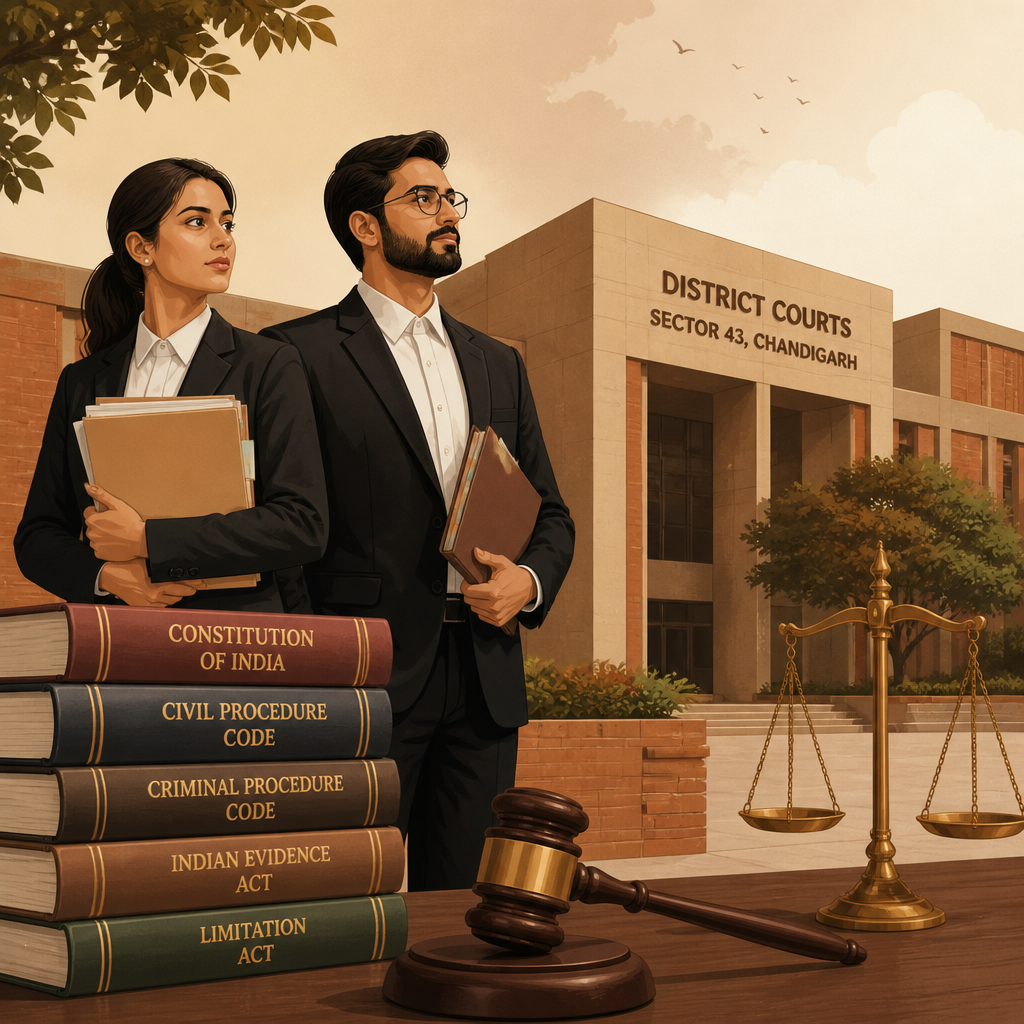
- The local family courts (District Courts in Sector 43, Chandigarh)
- Judges’ preferences and court staff
- Recent judgments from Punjab & Haryana High Court
- Chandigarh’s unique blend of state and union territory laws
This local expertise helps you avoid delays, meet procedural requirements, and understand what outcomes are realistic based on local precedent.
Common Divorce Issues in Chandigarh
Clients often face these key issues:
- Custody of minor children
- Division of property and assets
- Alimony or maintenance
- Visitation rights
- Domestic violence allegations
- False criminal complaints (498A, dowry cases)
A family law attorney with experience in Chandigarh courts can help you address these challenges with practical solutions, not just legal theory.
Who Needs a Divorce Lawyer in Chandigarh?
Not every marriage dissolution needs a lawyer, but most people benefit from at least a legal consultation. Here’s who should consider professional help:
- Anyone facing contested divorce (spouse disagrees on terms)
- Parents worried about child custody or visitation
- Couples with significant property, business, or joint financial interests
- Victims of domestic violence or false allegations
- Those needing urgent court protection (interim relief)
Even for mutual consent divorce, a lawyer ensures paperwork is correct and deadlines are met. Mistakes can delay the process or cause your petition to be rejected.
How to Shortlist Divorce Lawyers in Chandigarh
Choosing the best divorce attorney is more than searching Google or asking a friend. Use these steps to build your shortlist:
1. Check Specialisation in Family Law
Not all lawyers handle divorce or family disputes regularly. Look for:
- Membership in family law associations
- Regular appearances in Chandigarh family courts
- Published articles or seminars on divorce law
2. Review Track Record and Reputation
Ask these questions:
- How many divorce cases have they handled this year?
- What’s their success rate in custody or property settlement?
- Do they have positive client testimonials (Google, Justdial, Sulekha, Bar Council records)?
3. Assess Communication and Approach
A good lawyer should:
- Explain legal procedures in plain language
- Respond promptly to calls or emails
- Offer realistic timelines and likely outcomes
If you leave a consultation feeling confused or more anxious, that’s a red flag.
4. Confirm Transparency on Fees
Lawyers in Chandigarh may charge:
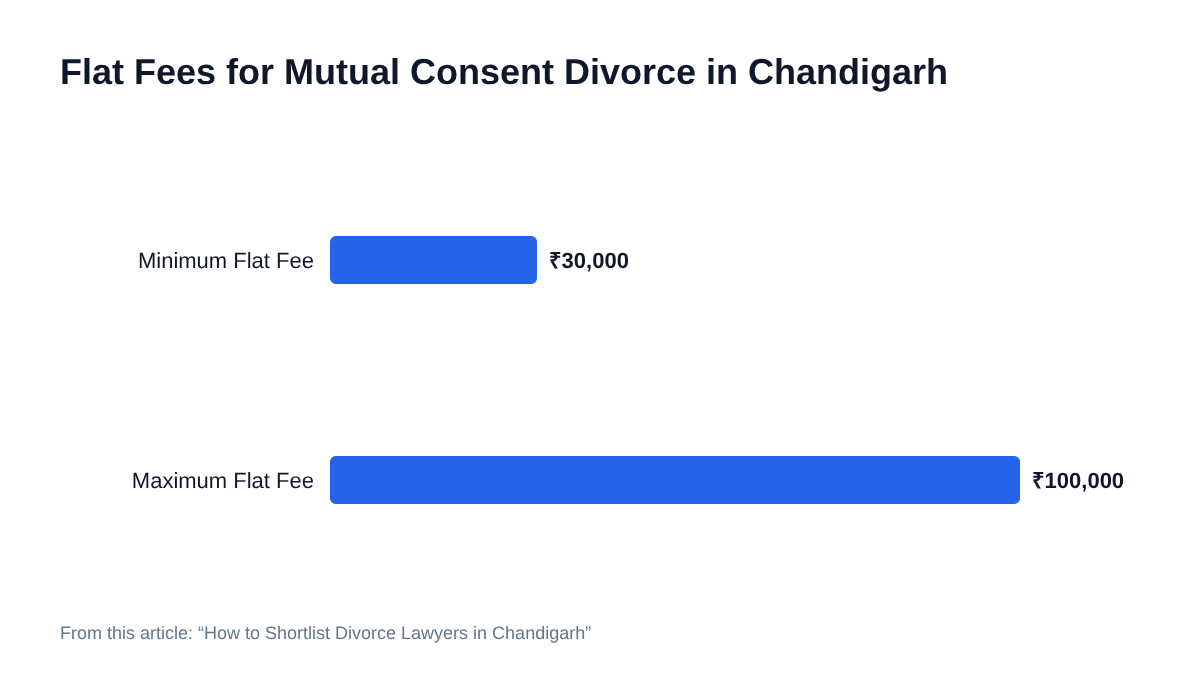
- Flat fees for mutual consent divorce (often ₹30,000 – ₹1,00,000)
- Hourly rates or stage-wise fees for contested matters
- Additional charges for court appearances, documentation, or travel
Get a written agreement on fees, payment schedule, and what’s included.
5. Consider Local Court Experience
Ask if the lawyer regularly appears at:
- District Court, Sector 43, Chandigarh
- Punjab and Haryana High Court
- Family Court benches
This local experience can save you time and reduce surprises in court.
What to Ask During the Initial Legal Consultation
A legal consultation should give you a clear idea of your options, risks, and next steps. Prepare these questions:
- What are my grounds for divorce under my personal law?
- What documents do I need for filing?
- How long will the process likely take?
- What are the possible outcomes for custody, alimony, and property?
- What are the risks or downsides if the case turns contested?
- How can I protect myself from false allegations or harassment?
Bring:
- Marriage certificate
- Proof of residence
- Income and asset details
- Any previous court orders or police complaints
Honest answers in the first meeting set the tone for your lawyer-client relationship.
Key Qualities of the Best Divorce Attorney
The difference between a good and the best divorce lawyer in Chandigarh often comes down to these qualities:
Deep Knowledge of Family Law
This means:
- Up-to-date on recent Supreme Court and High Court rulings
- Understanding of local court practices
- Ability to anticipate arguments from the other side
Negotiation Skills
Most divorce cases settle before judgment. A skilled negotiator can:
- Help you reach a practical settlement for property or child custody
- Avoid unnecessary litigation and expense
- Draft clear, enforceable agreements
Courtroom Experience
If the case goes to trial, you need someone who:
- Is confident in cross-examination
- Handles evidence and objections well
- Can argue for interim relief (maintenance, protection orders)
Empathy and Professionalism
Divorce is stressful. The best lawyers:
- Listen to your concerns without judgment
- Keep your information confidential
- Advise on both legal and practical consequences
Common Mistakes to Avoid When Choosing a Divorce Lawyer
Some choices can make your situation worse. Watch out for:
- Hiring a friend or relative without family law experience
- Choosing solely on price (cheapest is rarely best)
- Not checking for past disciplinary action or Bar Council complaints
- Ignoring warning signs like missed deadlines or poor communication
If your lawyer promises a guaranteed result or pushes for aggressive tactics without explaining the risks, that’s a reason to be cautious.
The Divorce Process in Chandigarh: Step-by-Step
Here’s a simplified view of how a typical case unfolds:
- Legal Consultation: Discuss facts, documents, and possible grounds.
- Drafting and Filing Petition: Lawyer prepares and files the divorce petition in the appropriate family court.
- Service of Notice: Court issues notice to the other spouse.
- Reply and Counter-Petition: The other side files a written reply and any counterclaims.
- Mediation or Counselling: The court may refer both parties to mediation to try for reconciliation.
- Evidence and Arguments: Both sides submit evidence and witnesses.
- Interim Orders: Court may grant temporary relief (maintenance, custody, injunctions).
- Final Arguments and Judgment: Court decides on divorce, custody, property, and maintenance.
- Appeal (if needed): Parties can appeal to the High Court within the statutory period.
Timelines and Delays
- Mutual Consent Divorce: Usually 6 – 18 months (two motions, minimum six-month gap, may be waived in special cases)
- Contested Divorce: 2 – 5 years or more, depending on complexity and backlog
Delays often happen due to incomplete paperwork, non-attendance, or false allegations. A good Chandigarh law firm will help you avoid these pitfalls.
Custody and Child Welfare in Divorce Cases
Child custody is often the most stressful issue. Indian law prioritises the child’s best interests, not just parental preference.
Types of Custody
- Physical Custody: Child lives with one parent, visitation for the other
- Joint Custody: Shared time and responsibility
- Legal Custody: Right to make decisions about education, health, etc.
The Punjab & Haryana High Court has ruled that both parents should be involved in a child’s life unless there are compelling reasons otherwise (e.g., abuse, neglect).
How Chandigarh Courts Decide Custody
- Child’s age and preference (if over 9 – 10 years)
- Each parent’s financial and emotional stability
- Schooling, living arrangements, and sibling bonds
- Any history of abuse or neglect
A skilled custody lawyer can help you present evidence, suggest practical visitation schedules, and negotiate fair arrangements.
Property Settlement and Financial Issues
Dividing assets is often complicated, especially when:
- Property is jointly owned or in-laws are involved
- There are joint loans, business interests, or hidden assets
- One spouse is a homemaker with no direct income
Indian Law on Property Division
- No automatic 50/50 split: Courts consider contribution, need, welfare of children
- Stridhan: Woman’s property (jewelry, gifts) remains hers
- Maintenance/Alimony: Decided based on earning capacity, lifestyle, needs, and conduct
A Chandigarh lawyer with experience in property settlement can help trace assets, value property, and negotiate fair terms.
Mutual Consent vs Contested Divorce
Mutual Consent Divorce
- Both spouses agree on divorce and key issues (custody, property, alimony)
- Faster, less expensive, more private
- Requires two joint petitions, with a minimum six-month gap (can be waived)
Contested Divorce
- One spouse disputes the grounds or terms
- Longer, more stressful, higher legal fees
- May involve allegations (cruelty, adultery, desertion, etc.)
If possible, most lawyers recommend negotiating for mutual consent, unless there are serious safety or child welfare concerns.
What Makes Chandigarh Law Firms Different?
Law firms in Chandigarh handle a mix of local, state, and national cases. The best ones offer:
- Teams with both male and female lawyers for sensitive cases
- In-house support for documentation, investigation, and mediation
- Regular updates on case status by phone, email, or WhatsApp
- Partnerships with forensic accountants or child psychologists if needed
Ask if the firm can handle appeals and enforcement, not just the trial.
How Technology Is Changing Divorce Law in Chandigarh
The pandemic pushed courts and lawyers to adopt more technology. Now you can expect:
- E-filing of petitions and evidence
- Virtual hearings and mediation (especially for NRI clients)
- Online legal consultation via video call
- Digital payment of fees
This can speed up some steps, but you still need a lawyer who understands both online and offline court processes.
Legal Aid and Low-Cost Options
If you can’t afford a private lawyer, Chandigarh has options:
- District Legal Services Authority (free legal aid for eligible applicants)
- Women’s helplines and NGOs offering legal support
- Bar Council panels for pro bono cases
But honestly, these options often have long wait times and may not offer the same level of personal attention as a private divorce lawyer in Chandigarh.
Red Flags: When to Change Your Lawyer
If you notice these issues, consider switching:
- Repeated missed deadlines or court dates
- Unexplained increase in fees
- Lack of communication or updates
- Breach of confidentiality
Changing lawyers is possible, but you’ll need to sign a No Objection Certificate (NOC) and sometimes pay outstanding fees.
Frequently Asked Questions
What documents are needed to file for divorce in Chandigarh?
You’ll need your marriage certificate, address proof, identity documents, passport-size photos, details of children (if any), income proof, and evidence supporting your grounds for divorce. If seeking custody or property settlement, include relevant financial and property records.
How long does mutual consent divorce take in Chandigarh?
A mutual consent divorce typically takes 6 – 18 months. The law requires two motions with a minimum six-month gap, but this period may be waived by the court in exceptional circumstances, reducing the total time.
What are the typical fees for a divorce lawyer in Chandigarh?
Fees vary by complexity and reputation. For mutual consent divorce, expect ₹30,000 – ₹1,00,000. Contested divorces may cost ₹50,000 – ₹5,00,000 or more, depending on hearings, evidence, and appeals. Always get a written fee agreement.
Can I get custody of my child as a father in Chandigarh?
Yes, courts in Chandigarh do not automatically favour mothers. They consider the child’s best interests, both parents’ financial and emotional stability, and the child’s preference if old enough. Fathers can and do receive custody or joint custody.
What if my spouse files false allegations against me?
Inform your lawyer immediately. Gather evidence to refute the allegations, such as messages, witness statements, or documents. The court examines both sides and may penalize false claims. A good divorce lawyer can help you defend against these accusations.
How is property divided in a Chandigarh divorce?
There’s no fixed rule for a 50/50 split. Courts look at ownership documents, each spouse’s contribution, and the welfare of any children. Separate property, joint assets, stridhan, and inherited assets are all considered. Property settlement is usually negotiated or decided by the judge.
Is online divorce possible in Chandigarh?
Parts of the process, such as consultation, document exchange, and some hearings, can be handled online. However, physical presence is usually required for final statements and court orders, unless the court specifically permits video appearances.
Can NRIs file for divorce in Chandigarh?
Yes, NRIs can file in Chandigarh if the marriage took place there or if either spouse currently resides there. Some steps may require personal presence, but much of the process can be managed remotely with a local lawyer’s help.
What grounds are accepted for divorce under the Hindu Marriage Act?
Accepted grounds include cruelty, adultery, desertion for at least two years, conversion to another religion, mental disorder, venereal disease, renunciation of the world, and not heard alive for seven years. Mutual consent is also a valid ground.
How do I verify a divorce lawyer’s credentials in Chandigarh?
Check the Bar Council of Punjab & Haryana’s online register, look for published judgments or case listings, and ask for references. You can also review client testimonials on Google or legal directories.
Do I need to attend every court hearing in my divorce case?
You must attend key hearings, especially for statement recording and evidence. Your lawyer can represent you in procedural matters, but absence from important dates can delay your case or weaken your position.
What is the role of mediation in Chandigarh divorce cases?
Mediation is often ordered by the court to resolve disputes amicably. A neutral mediator helps both parties negotiate settlement on custody, property, or maintenance. If mediation succeeds, the agreement is recorded by the court; if not, the case proceeds to trial.
Final Thoughts: Choosing the Right Divorce Lawyer in Chandigarh
Finding the right divorce lawyer in Chandigarh is about more than technical skill. You need someone who understands your situation, explains things clearly, and has the local experience to get results. Take time to research, ask questions, and trust your instincts. The right legal partner will help you make informed decisions and move forward with confidence.