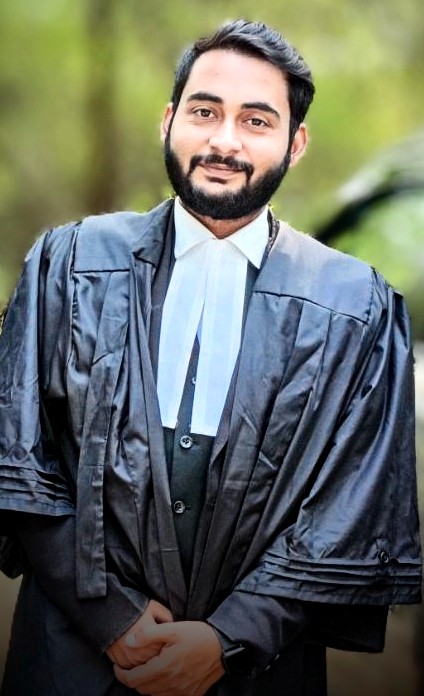


Choosing between a defense lawyer and a criminal justice lawyer is not just a matter of picking a name from a list. If you or someone you care about is facing criminal charges, or if you’re simply trying to understand who to contact for legal help in a tricky situation, the difference matters. Chandigarh legal experts often see confusion around these roles, especially when stakes are high. The right attorney selection can change the outcome of a case – or at least, how stressful the process feels. So, what really matters in the defense lawyer vs criminal justice lawyer debate? Let’s cut through the jargon and focus on what’s relevant for real people dealing with real problems.
A defense lawyer (or criminal defense attorney) specifically represents individuals or entities accused of crimes, focusing on protecting the accused’s rights and building a defense in criminal court. A criminal justice lawyer is a broader term that may cover both prosecutors and defense lawyers, as well as legal professionals working in research, policy, or advising roles within the criminal justice system. For direct legal representation in court, especially in Chandigarh or similar Indian contexts, you usually want a defense lawyer with experience in the specific case type you’re facing.
Understanding the Terms: Defense Lawyer vs Criminal Justice Lawyer
People use the words defense lawyer and criminal justice lawyer as if they’re the same. But they’re not, and the difference can really matter.
What Does a Defense Lawyer Do?
A defense lawyer (often called a criminal defense attorney) is:
– Focused on defending people or organizations charged with a crime
– Responsible for building a defense, negotiating with prosecutors, and representing clients in criminal court
– Often specialized in certain types of cases (like white-collar crime, narcotics, or sexual offenses)
In Chandigarh, and most of India, defense lawyers must be enrolled with the State Bar Council and have experience in criminal courts.
What Does a Criminal Justice Lawyer Do?
A criminal justice lawyer is a broader term. It might refer to:
– Defense lawyers
– Prosecutors (who represent the government or state)
– Legal researchers, policy advisors, or academics in criminal justice
– Lawyers working with NGOs or government bodies on justice reform
If you need someone to defend you in court, you want a defense lawyer, not just any criminal justice lawyer. But the term is used loosely, so always check what kind of work the lawyer actually does.
Key Differences at a Glance
| Feature | Defense Lawyer | Criminal Justice Lawyer |
|---|---|---|
| Role in system | Represents accused | Any role in justice system |
| Typical clients | Defendants (accused parties) | State, NGOs, research, or accused |
| Court representation | Yes | Sometimes |
| Focus area | Criminal defense | Broad: defense, prosecution, policy |
| Required for criminal trial | Yes | Not always |
Legal Specializations: Why They Matter More Than Titles
Legal titles can be confusing, but what actually matters is the lawyer’s specialization and experience. Not every lawyer who handles criminal matters is equally suited for every case.
Specializations Within Criminal Law
Some common legal specializations you’ll find in Chandigarh and other Indian cities:
– White-collar crime (fraud, embezzlement, corruption)
– Narcotics and drugs cases
– Sexual offenses and POCSO Act matters
– Murder, attempt to murder, and violent crime
– Cybercrime
– Juvenile justice
– Bail and anticipatory bail matters
A lawyer’s experience in a specific area can make a big difference. For example, a lawyer who has handled multiple NDPS (Narcotic Drugs and Psychotropic Substances Act) cases will know the technicalities and common pitfalls better than a generalist.
How to Check a Lawyer’s Specialization
Don’t just go by the title on a website or business card. Ask these questions:
– What percentage of your cases are criminal defense?
– Have you handled cases similar to mine before? How many?
– Which courts do you practice in most often (District Court, High Court, Supreme Court)?
Most experienced Chandigarh legal experts will answer directly. If the answers are vague, I’d skip that lawyer.
Why Experience in Local Courts Matters
A lawyer’s knowledge of the local courts, judges, and prosecutors can affect your case. Someone who regularly appears in Chandigarh District Courts or Punjab & Haryana High Court will know the usual processes, which can speed things up or help avoid common mistakes.
Case Type Suitability: Matching Lawyer to Your Legal Need
Not every criminal defense attorney is right for every type of criminal case. The kind of case you have should guide your attorney selection.
Common Case Types and Who Handles Them
- Bail applications: Look for a lawyer with a strong record in bail matters
- Serious offenses (murder, rape, dacoity): Seek out a senior defense lawyer with trial experience
- White-collar/cybercrime: Choose someone familiar with technical evidence and documentation
- Juvenile cases: Ensure the lawyer understands the Juvenile Justice Act and its procedures
- Appeals: Pick a lawyer with High Court or Supreme Court experience
You’d be surprised how often people hire a lawyer who has never argued the specific type of case they’re facing. That’s a risky move.
How to Assess Case Type Suitability
Here’s a simple process:
1. Clearly identify your case type and charges (ask for the relevant IPC or special law sections)
2. Ask the lawyer for examples of similar cases they’ve handled
3. Request details about outcomes (bail granted, acquittals, plea bargains, etc.)
4. Check if they know the latest amendments or relevant judgments
If you get generic answers, keep looking.
Representation Differences: What Actually Changes For Clients
The difference between a defense lawyer and a criminal justice lawyer isn’t just about the label. It affects who stands beside you in court, how your case is argued, and sometimes, your chances of getting bail or acquittal.
What a Defense Lawyer Does for You
A criminal defense attorney will:
– Meet you (or your family) to get your side of the story
– Examine the FIR, charge sheet, and evidence
– Advise you on bail, plea bargains, and possible defenses
– File applications, cross-examine witnesses, and argue in court
– Negotiate with the prosecution when possible
– Keep you updated on court dates and procedures
This is hands-on work. It requires not just legal knowledge but also strategic thinking and, sometimes, quick decisions in court.
What a Criminal Justice Lawyer Might Do
If the lawyer is more focused on policy, prosecution, or research, their role will differ:
– They might draft legal opinions or research reports
– Represent the government or state as a prosecutor
– Advise on reforms or new laws
– Work in NGOs to help victims or reform the system
These are important jobs, but if you’re accused of a crime, you need someone focused on defense. Representation differences are about what the lawyer actually does day-to-day.
Attorney Selection: Practical Steps for Choosing the Right Lawyer in Chandigarh
Picking a lawyer in Chandigarh (or anywhere in India) is not like picking a restaurant. A little research upfront saves regret later.
Step-by-Step Attorney Selection Process
- Identify Your Need: Is it defense, prosecution, or something else? For most accused persons, you need a defense lawyer.
- Check Qualifications: Verify enrollment with the Bar Council of Punjab & Haryana or Bar Council of India.
- Assess Experience: Ask about similar cases, years of practice, and court appearances.
- Ask for References: A good lawyer won’t mind sharing references or judgments from past cases.
- Discuss Fees Upfront: Clarify fee structure – lump sum, per hearing, or stage-wise. Be wary of lawyers who are vague or evasive about costs.
- Meet in Person: Chemistry matters. Does the lawyer listen? Are they clear about process and timelines?
Red Flags in Attorney Selection
- Guarantees of outcome (no honest lawyer will promise acquittal)
- Reluctance to discuss previous cases
- Lack of familiarity with local courts
- Overly low or high fees without explanation
Chandigarh-Specific Tips
- Many top criminal defense attorneys in Chandigarh work out of Sector 43 or Sector 17 court complexes
- Check if the lawyer is a member of the Chandigarh Bar Association
- For High Court matters, ensure the lawyer has actual High Court practice (not just an office address)
Legal Practice Areas: How Scope Affects Your Case
Not all legal practice areas are the same, even within criminal law. Understanding what your lawyer actually does helps set expectations.
Types of Legal Practice Areas in Criminal Law
- Trial practice: Direct representation in court, witness examination, evidence argument
- Appellate practice: Handling appeals in higher courts
- Bail and anticipatory bail: Securing temporary or permanent release
- Legal drafting: Preparing applications, petitions, and legal notices
- Consulting/Advisory: Giving opinions, advising on compliance or risk
Some criminal defense attorneys handle all these, but many specialize. For example, some lawyers only take up bail matters, while others focus on full trials or appeals.
Why Practice Area Matters
If your case is at the trial stage, a lawyer who only files bail applications won’t be the best fit. Similarly, if you want to challenge a conviction in the High Court, you need someone experienced in appellate work. Always ask what percentage of the lawyer’s work matches your need.
Understanding Client Needs: What to Communicate and Expect
Your needs as a client go beyond just winning or losing. The lawyer’s job is to understand your situation, explain your options, and help you make decisions.
What You Should Tell Your Lawyer
- Full facts of the case, even embarrassing details
- Any past criminal record
- Financial constraints (for fee planning)
- Urgency (for bail or urgent hearings)
- Language preference (Hindi, Punjabi, English)
What You Should Expect From Your Lawyer
- Honest advice, even if it’s not what you want to hear
- Regular updates on case progress
- Clear explanations of process and possible outcomes
- Respect for confidentiality
If you feel you can’t talk freely, or the lawyer seems rushed or uninterested, it’s probably not the right fit.
Representation Differences in Practice: Real-World Examples
Sometimes, the difference between a defense lawyer and a criminal justice lawyer only becomes clear when you see what happens in court or in negotiations.
Example 1: Bail Application in Chandigarh
A criminal defense attorney who regularly files bail applications in Chandigarh District Court will know:
– Which judges are strict or lenient on bail
– How to present medical or family grounds effectively
– The right format for affidavits and sureties
A lawyer who mostly works on policy or research may not have this practical know-how.
Example 2: Trial for NDPS Act Violation
An accused in a drug case needs a defense lawyer who knows:
– How to challenge search and seizure procedures
– The importance of chain of custody for evidence
– Recent Supreme Court judgments affecting NDPS cases
A general criminal justice lawyer might not have this level of detail.
Example 3: Appeal in Punjab & Haryana High Court
For appeals, the lawyer must:
– Draft strong written arguments (written submissions are critical)
– Know how to highlight errors in trial court proceedings
– Be familiar with High Court procedures and recent precedents
Experience in appellate work makes a big difference.
Legal Regulations and Relevant Laws in India
If you’re facing criminal charges in Chandigarh or anywhere in India, these laws and regulations matter:
- Indian Penal Code (IPC): Defines most criminal offenses
- Code of Criminal Procedure (CrPC): Lays down the process for investigation, arrest, bail, trial, appeals
- Indian Evidence Act: Rules for evidence admissibility and procedure
- NDPS Act, POCSO Act, Prevention of Corruption Act: Specialized laws for specific crimes
- Bar Council of India Rules: Professional standards for lawyers
A good defense lawyer will know which sections apply to your case, and how to use them to your advantage. They’ll also keep track of amendments, circulars, and judicial precedents. Don’t hesitate to ask your lawyer which laws are most relevant for your case.
Common Mistakes in Attorney Selection
People often make avoidable mistakes when choosing between a defense lawyer and a criminal justice lawyer.
Top Mistakes to Avoid
- Picking a lawyer based only on advertisements or online reviews
- Not checking if the lawyer actually handles criminal defense
- Focusing only on fees, not experience or fit
- Assuming all criminal lawyers are the same
- Not meeting the lawyer in person before deciding
Taking a bit more time to check credentials and experience can save you a lot of trouble later.
Frequently Asked Questions
What is the difference between a defense lawyer and a criminal justice lawyer?
A defense lawyer specifically represents people accused of crimes and defends them in court. A criminal justice lawyer is a broader term that can include defense lawyers, prosecutors, or legal experts working in policy, research, or advisory roles within the justice system.
When should I hire a criminal defense attorney instead of a criminal justice lawyer?
If you are accused of a crime and need representation in court, you should hire a criminal defense attorney. They have the experience and skills needed for defending clients in criminal proceedings.
How do I know if a lawyer is experienced in my case type?
Ask the lawyer how many similar cases they have handled, what the outcomes were, and which courts they frequently appear in. Request references or examples of past judgments if possible.
What legal specializations matter for criminal cases in Chandigarh?
Key specializations include bail matters, trial work (especially for serious offenses), NDPS Act cases, white-collar crime, and appellate practice in High Court. Local experience in Chandigarh courts is valuable.
Can the same lawyer handle both trial and appeal?
Some lawyers handle both, but many specialize. For appeals, it’s best to choose someone with High Court or Supreme Court experience.
What documents should I bring when meeting a defense lawyer?
Carry the FIR copy, charge sheet, bail orders (if any), identity proof, and any notices or summons received. This helps the lawyer understand your case quickly.
How much does a criminal defense attorney charge in Chandigarh?
Fees vary widely. For bail matters, expect anywhere from ₹15,000 to ₹1,00,000 depending on case complexity. Full trials or appeals can cost more, especially for senior lawyers.
Is it risky to hire a lawyer who is not based in Chandigarh for a local case?
Yes, because local lawyers know the court procedures and staff, which can help avoid delays and procedural mistakes. Outstation lawyers may need to coordinate with local counsel.
What should I do if I can’t afford a private defense lawyer?
You can apply for legal aid through the District Legal Services Authority in Chandigarh. Courts often assign experienced lawyers to indigent accused.
Can a criminal justice lawyer also act as a prosecutor?
Yes, criminal justice lawyers may work as public prosecutors representing the state. These lawyers do not defend accused persons; they prosecute criminal cases.
Are public defenders available in Chandigarh?
India does not have a formal public defender system, but legal aid lawyers perform a similar role for those who cannot afford private counsel.
How do I verify a lawyer’s credentials?
Check enrollment with the Bar Council of Punjab & Haryana, ask for their Bar Council ID, and search for their name in court records or association directories.
Conclusion
Choosing between a defense lawyer and a criminal justice lawyer is about matching your specific need to the right legal professional. For most accused persons, a criminal defense attorney with experience in your case type and local courts is the best option. Don’t let titles confuse you. Take time to check experience, specialization, and fit before deciding. The right choice can make the legal process less stressful and may improve your outcome.