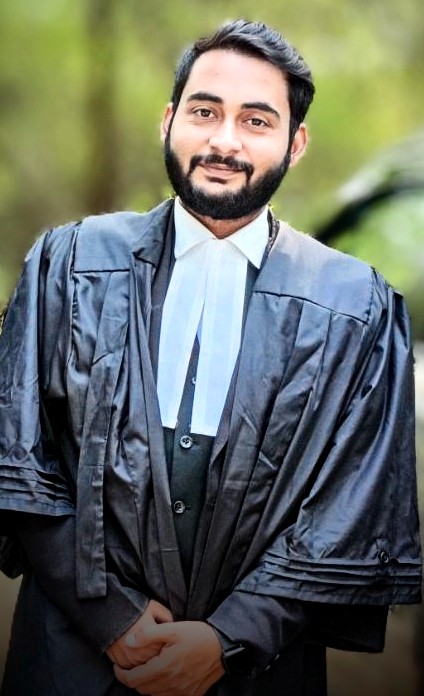


Chandigarh’s courtrooms are always buzzing. On any weekday morning, you’ll spot defense attorneys hurrying past the High Court’s red brick walls, files tucked under their arms, clients trailing behind. For anyone accused of a crime here, the big question isn’t just “Will I win my case?” It’s “How will my lawyer handle the system?” The unique legal culture of Chandigarh – its mix of Punjab and Haryana influences, its close-knit bar, and its unwritten courtroom rules – shapes every move a criminal defense attorney Chandigarh makes. If you’re searching for a criminal lawyer in this city, understanding these local dynamics isn’t just helpful – it’s essential.
A criminal defense attorney in Chandigarh must navigate a legal system shaped by local traditions, overlapping jurisdictions, and strong courtroom relationships. Success depends on understanding the region’s legal culture, maintaining strong client relationships, and managing cases with deep knowledge of both law and local practice. Every decision – from which arguments to press, to how to approach judges and prosecutors – reflects the unique mix of Chandigarh’s legal heritage and present-day realities.
Why Chandigarh’s Legal Culture Demands a Different Approach
You can’t just copy-paste legal strategies from Delhi or Mumbai and expect them to work in Chandigarh. The city’s legal system is its own animal – equal parts Punjab, Haryana, and Union Territory. Here’s what stands out:
- Multiple jurisdictions: The Punjab & Haryana High Court, District Courts, and Chandigarh UT Courts operate side by side, often with overlapping authority. One case might touch all three.
- Bar culture: The legal fraternity is close-knit. Many lawyers know each other (and the judges) by name, sometimes even by family background. Reputation spreads fast.
- Language and custom: Hindi and English are official, but Punjabi is often heard in the corridors. Local customs – like addressing the bench or presenting evidence – can vary subtly from other regions.
- Influence of precedent: Because the High Court covers three regions, lawyers often cite judgments from Punjab, Haryana, and Chandigarh UT, making research more complex.
A defense attorney here needs more than book knowledge. They need to read the courtroom, anticipate what’s unwritten, and adjust their tactics on the fly. Honestly, many outsiders underestimate just how much this matters.
The Role of a Criminal Defense Attorney in Chandigarh
A criminal defense attorney Chandigarh wears many hats – legal expert, negotiator, crisis manager, and sometimes even informal counselor. But the specifics of the role shift based on the city’s legal culture.
Legal Advisor and Strategist
The first job is always to interpret the law for the client. But in Chandigarh, this means:
- Explaining how overlapping state and UT laws might affect the case
- Predicting how local judges interpret specific statutes or case law
- Advising on plea bargains or settlements, knowing how these are viewed in the local context
Courtroom Representative
Standing up in court is only half the battle. The real challenge is reading the room:
- Understanding each judge’s preferences – some want concise arguments, others expect detailed evidence
- Knowing the prosecution’s typical tactics
- Adjusting tone and language depending on whether the court is in Punjab, Haryana, or UT jurisdiction
Relationship Builder
In Chandigarh, a defense attorney’s reputation is built on more than just wins and losses. Relationships matter:
- Building trust with clients, who often arrive anxious and confused
- Maintaining professional ties with other lawyers, which can help in negotiations
- Managing expectations – sometimes gently, sometimes bluntly, depending on the family’s background and the stakes involved
Chandigarh’s Courtroom Dynamics: What Makes Them Unique
Courtrooms in Chandigarh have their own rhythm. If you sit in on a bail hearing or a cross-examination, you’ll notice some patterns that shape how criminal lawyers work.
The Human Factor: Judges, Prosecutors, and Bar Members
- Judges often come from Punjab or Haryana and bring their own legal traditions. Some are strict about procedure, others more flexible. A good defense attorney always checks a judge’s old rulings.
- Prosecutors here may start tough, but many are open to negotiation behind closed doors. Sometimes, a five-minute hallway chat can do more than an hour of argument in court.
- The Bar Association is influential. Disputes between lawyers can spill over into cases. Reputation, both good and bad, travels quickly.
Local Procedures and Unwritten Rules
Chandigarh courts have some quirks:
- Filing deadlines are often strictly enforced, but minor procedural lapses can sometimes be fixed with a phone call or a quick apology – if you have the right relationship.
- Oral arguments are valued. Written submissions matter, but judges often make up their minds based on how you argue on your feet.
- Dress codes are enforced. A lawyer’s appearance – down to the color of their band or the crispness of their gown – signals respect for the system.
Case Flow and Timelines
- Bail hearings tend to move fast, sometimes in a matter of hours.
- Trials can drag, especially if witnesses are from rural Punjab or Haryana.
- Adjournments are common, but repeated delays can draw a judge’s ire (and sometimes a fine).
Client Relationships: Trust, Communication, and Local Expectations
Clients in Chandigarh are a diverse lot. Some are business owners, others are farmers or students. Their expectations from a criminal defense attorney Chandigarh can be wildly different.
Building Trust from Day One
Most clients come in with high anxiety. They want answers, fast.
- First meetings usually happen in the lawyer’s crowded office near Sector 17 or Sector 43, often with family members present.
- Clients expect the lawyer to explain the law in plain words, not legal jargon.
- They look for signs the lawyer is respected locally – photos with judges, certificates, even the size of the office.
Communication Styles
- Many clients prefer regular updates, even if there’s no news. WhatsApp messages, short phone calls, or even a quick chai meeting are common.
- Some clients want detailed explanations, while others just want to know “Will I get bail?”
- Written fee agreements are less common than in metros. Verbal understandings, sometimes sealed with a handshake, still matter here.
Managing Expectations and Family Involvement
- Families often play a big role – sometimes too big. It’s not unusual for five relatives to attend every hearing.
- Clients may expect miracles, especially if they’ve hired a “big name” lawyer. The attorney must balance optimism with realism.
- Confidentiality can be tough. News travels fast in Chandigarh’s tight circles, so lawyers must be careful with sensitive details.
Case Management in Chandigarh’s Legal System
Running a criminal case here isn’t just about knowing the Indian Penal Code. The legal system Chandigarh has its own quirks that affect every step, from FIR registration to final judgment.
Handling Multiple Jurisdictions
- Cases may start in a Chandigarh police station but end up in the High Court, depending on the charges.
- Sometimes, the same facts give rise to cases in both Punjab and Haryana courts, especially for crimes near the state borders.
- A smart defense attorney tracks every filing and hearing across all relevant courts, often juggling three or more files at once.
Documentation and Evidence
- Judges in Chandigarh expect well-organized files. Messy paperwork can annoy the bench.
- Forensics from the Central Forensic Science Laboratory (CFSL) are often relied upon. Delays in these reports can stall a case for months.
- Lawyers must be familiar with both digital evidence (CCTV, WhatsApp chats) and old-school witness statements.
Bail, Remand, and Trial Processes
Here’s a simple breakdown:
- FIR (First Information Report): Usually filed at a local police station.
- Remand hearing: Police seek custody, and the defense attorney argues for bail or judicial custody.
- Chargesheet: Police submit evidence. The defense can challenge its sufficiency.
- Trial: Cross-examination, witness statements, arguments.
- Judgment: Final decision by the judge.
Each of these steps can look different depending on the court’s location (Punjab, Haryana, or UT) and the judge’s preferences. Missing even a single date can set a case back weeks.
The Influence of Local Legal Culture on Defense Strategy
A criminal lawyer in Chandigarh can’t afford to ignore the city’s unique legal culture. It shapes everything from how they question witnesses to how they negotiate with prosecutors.
Choice of Arguments and Evidence
- Some judges expect “hard law” – strict adherence to statutes and precedents. Others are swayed by practical arguments about fairness or community impact.
- Local events can influence court mood. For example, after a high-profile crime, bail may be harder to secure.
- Cultural factors matter. Lawyers often reference local customs or community standards in their arguments.
Negotiations and Plea Bargains
- Prosecutors in Chandigarh may be more open to negotiation than in bigger metros, provided the defense attorney has a good reputation.
- Out-of-court settlements are common in certain types of cases (like minor assaults or property disputes), but must still follow legal requirements.
- Some cases require a “wait and watch” approach, especially if political or media attention is high.
Handling Media and Public Opinion
- High-profile cases attract local press. Defense attorneys must be careful about public statements.
- Sometimes, managing media perception is as important as managing the legal case itself.
- Judges here rarely appreciate theatrics. Subtlety and respect go a long way.
How Attorney Reputation Shapes Case Outcomes
In Chandigarh, an attorney’s reputation isn’t just window dressing. It can affect everything from how quickly the police respond to a call to how a judge listens in court.
Building and Maintaining Reputation
- Years of experience in the local courts matter more than flashy advertising.
- Membership in the Chandigarh Bar Association, and active participation in bar events, signals trustworthiness.
- Judges and police officers often recognize the names of established lawyers – and sometimes even their families.
Risks of a Bad Reputation
- Word spreads quickly if a lawyer is seen as unreliable, unethical, or too aggressive.
- Judges may scrutinize filings more closely or refuse to grant adjournments.
- New lawyers sometimes struggle to break into the inner circles, making mentorship important.
Community Involvement
- Many criminal defense attorneys take part in local legal aid camps or awareness drives. This boosts their standing with both the public and the judiciary.
- Some even teach at local law colleges or mentor young lawyers, further cementing their reputation.
Key Laws and Precedents Affecting Criminal Defense in Chandigarh
A defense attorney in Chandigarh must be up to date on both national and local legal developments.
Statutes and Sections Most Commonly Invoked
- Indian Penal Code (IPC): Sections on theft, assault, murder, and property crimes are standard.
- Code of Criminal Procedure (CrPC): Governs arrest, bail, and trial procedures.
- NDPS Act: Narcotics cases are common, and Chandigarh courts are known for strict enforcement.
- Juvenile Justice Act: Especially relevant in cases involving minors.
Important Judgments and Local Precedents
- The Punjab & Haryana High Court regularly issues rulings on bail, quashing of FIRs, and anticipatory bail. These guide lower courts.
- Recent judgments on digital evidence (e.g., the admissibility of WhatsApp chats) have changed how lawyers present cases.
- Some local cases set unwritten precedents – like how strictly a judge applies the law to first-time offenders.
Compliance and Ethical Duties
- The Bar Council of Punjab & Haryana sets ethical standards for criminal lawyers.
- Violation of client confidentiality or court decorum can lead to censure or suspension.
- Lawyers must also comply with police and court reporting requirements, especially in sensitive cases.
Common Mistakes and How Smart Lawyers Avoid Them
Even experienced attorneys can trip up if they ignore Chandigarh’s local legal culture. Here are some common pitfalls:
- Overlooking local procedure: Missing a unique court deadline or failing to follow a judge’s preferred format can delay a case.
- Misjudging the value of relationships: Treating judges or rival lawyers with disrespect rarely ends well.
- Underestimating paperwork: Sloppy documentation is a red flag in Chandigarh’s courts.
- Ignoring client expectations: Failing to explain the local process can lead to misunderstandings and complaints.
- Neglecting updates: Clients here expect regular communication, even if there’s nothing new to report.
Smart defense attorneys ask for help when needed, double-check every file, and stay humble – no matter how many years they’ve practiced.
Best Practices for Criminal Defense Attorneys in Chandigarh
To succeed in Chandigarh, a criminal defense attorney should:
- Build strong relationships with judges, prosecutors, and fellow lawyers
- Keep up with the latest High Court judgments and local rules
- Maintain meticulous files and track every deadline
- Communicate clearly and regularly with clients
- Respect local customs, language, and unwritten norms
- Balance assertiveness with humility and patience
Honestly, no one gets it right 100% of the time. But following these basics sets the foundation for a solid practice.
Frequently Asked Questions
What does a criminal defense attorney in Chandigarh do?
A criminal defense attorney in Chandigarh represents clients accused of crimes, prepares legal arguments, negotiates with prosecutors, and appears in court. They also advise clients on local legal procedures and manage paperwork specific to Chandigarh’s courts.
How is Chandigarh’s legal system different from other cities?
Chandigarh’s legal system involves multiple jurisdictions (Punjab, Haryana, and Union Territory), creating overlap in laws and court procedures. The legal culture here values relationships, local precedent, and a mix of formal and informal courtroom practices.
What are the most common criminal cases in Chandigarh?
Common cases include theft, assault, property disputes, narcotics offenses under the NDPS Act, and cybercrimes. Each type of case has its own process and local nuances.
How does attorney reputation affect a case in Chandigarh?
Attorney reputation can influence how judges and prosecutors approach a case. Lawyers with strong local standing may find it easier to negotiate bail, secure adjournments, or resolve cases efficiently.
What is the process for getting bail in Chandigarh?
- File a bail application in the appropriate court (District or High Court).
- The prosecution presents its objections.
- The defense attorney argues for bail, highlighting local legal precedents.
- The judge decides to grant or deny bail, sometimes on the same day.
How should clients choose a criminal lawyer in Chandigarh?
Clients should look for experience in local courts, a clear communication style, good reputation, and understanding of Chandigarh’s legal system. Personal referrals and local bar association membership can also indicate trustworthiness.
What are common mistakes made by defense attorneys in Chandigarh?
Mistakes include missing court deadlines, ignoring local norms, poor documentation, and failing to communicate with clients. These errors can harm both the case and the lawyer’s reputation.
Which laws are most relevant to criminal defense in Chandigarh?
Key laws include the Indian Penal Code (IPC), Code of Criminal Procedure (CrPC), NDPS Act, and the Juvenile Justice Act. Local High Court judgments also play a major role.
How long do criminal cases usually take in Chandigarh courts?
Bail hearings can be decided within hours or days, but full trials may take months or even years due to adjournments, evidence delays, and witness availability.
Can a defense attorney handle cases in both Punjab and Haryana courts?
Yes, many attorneys in Chandigarh handle cases across all three jurisdictions (Punjab, Haryana, and UT) due to the city’s unique legal setup. They must be familiar with the procedures and laws of each.
What is the role of the Chandigarh Bar Association?
The Bar Association sets professional standards, resolves disputes among lawyers, and influences local legal culture. Membership signals credibility and access to local resources.
How do lawyers manage confidentiality in Chandigarh’s close-knit legal community?
Lawyers must strictly protect client information, use discretion in public spaces, and sometimes limit what is discussed in open court to maintain confidentiality and trust.
Conclusion
A criminal defense attorney in Chandigarh faces challenges found nowhere else in India. The mix of overlapping jurisdictions, strong local customs, and tight community ties means success depends on more than just knowing the law. It’s about reading the room, building real relationships, and staying grounded in local reality. For clients and lawyers alike, understanding these dynamics is the first step toward navigating Chandigarh’s unique legal system.